








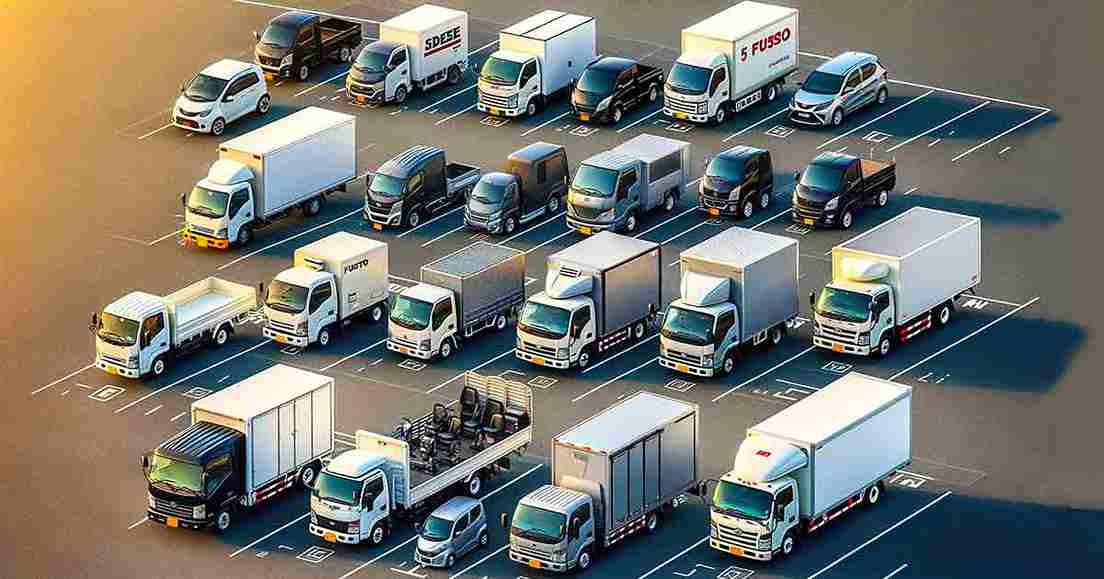
Tipe truk adalah kelas kendaraan dan tipe bodi yang Anda pesan, misalnya, pickup, mobil box, wingbox, atau trailer. Tipe truk menentukan ruang kargo yang dapat digunakan, akses pemuatan, dan muatan maksimum yang dapat Anda pindahkan dalam satu perjalanan. Kapasitas truk adalah muatan maksimum yang dapat dibawa oleh truk, biasanya dinyatakan dalam kilogram (kg) atau ton, dan terkadang juga dinyatakan dalam meter kubik (CBM) untuk perencanaan volume. Dimensi truk adalah ukuran terukur yang menentukan apakah kargo muat dan apakah pengiriman berisiko ditolak karena kelebihan dimensi atau dikenakan biaya tambahan.
Tipe truk, kapasitas, dimensi, dan ukuran adalah variabel yang secara langsung mempengaruhi harga sewa truk. Tipe truk yang lebih besar membutuhkan biaya lebih tinggi per perjalanan, tetapi menyesuaikan kapasitas dan dimensi truk dengan kargo Anda mengurangi jumlah perjalanan yang dibutuhkan dan mengurangi penundaan pemuatan. Barang yang Anda pindahkan menentukan tipe truk yang tepat. Truk wingbox paling cocok untuk muatan yang berpalet karena akses dari samping dapat mempercepat proses bongkar muat. Truk berpendingin (reefer) menangani kargo yang membutuhkan kontrol suhu, seperti makanan dan minuman. Tinggi loading harus disesuaikan saat memuat dari dermaga atau forklift. Tinggi dermaga dan bak truk yang sejajar mempercepat proses muat; tinggi bak truk berbeda-beda menurut tipe kendaraan.
| Istilah | Definisi (apa itu, dan mengapa penting) |
| Tipe Truk | Kelas kendaraan/konfigurasi bodi, seperti pickup, van, box, wingbox, atau trailer, menentukan kapasitas umum, akses kargo, dan kelayakan rute. |
| Panjang Kargo | Panjang kargo internal yang dapat digunakan (dari depan ke belakang) di dalam area kargo atau boks menentukan apakah barang panjang seperti panel, furnitur, atau pipa dapat muat tanpa bengkok atau menonjol keluar. |
| Lebar Kargo | Lebar kargo internal yang dapat digunakan (dari sisi ke sisi) di dalam area kargo atau boks menentukan apakah palet, rak, atau karton besar dapat muat. |
| Tinggi Kargo | Tinggi kargo internal yang dapat digunakan (dari lantai ke langit-langit) di dalam area kargo atau boks menentukan apakah karton yang ditumpuk dan barang tinggi dapat muat serta apakah Anda dapat menumpuk dengan aman. |
| Volume Kargo | Total ruang kargo internal dalam CBM, umumnya dihitung sebagai Panjang Kargo × Lebar Kargo × Tinggi Kargo. Digunakan untuk mencegah membayar truk yang “terlalu besar” atau memesan truk yang “terlalu kecil.” |
| Panjang Lantai | Panjang lantai menentukan tapak yang bisa digunakan, seperti palet, peti, atau alas mesin. Panjang lantai penting saat kargo tidak bisa ditumpuk dan harus diletakkan langsung di lantai. |
| Lebar Lantai | Lebar lantai dapat digunakan untuk tapak, penting untuk tata letak palet, dan untuk kargo yang harus diangkut dalam posisi tegak. |
| Lebar Pintu | Lebar ruang bebas bukaan pintu yang menentukan apakah barang berukuran besar dapat masuk ke dalam truk meskipun dapat muat di dalamnya setelah dimuat. |
| Tinggi Pintu | Tinggi ruang bebas bukaan pintu menentukan apakah barang tinggi dapat masuk tanpa dimiringkan atau dibongkar. |
| Panjang Keseluruhan | Panjang luar kendaraan mempengaruhi perencanaan rute, batasan radius putar, dan akses lokasi. |
| Lebar Keseluruhan | Lebar luar kendaraan mempengaruhi akses jalan sempit dan batas masuk lokasi. |
| Tinggi Keseluruhan | Tinggi luar kendaraan mempengaruhi risiko ruang bebas rendah, seperti gerbang, kanopi, dan jembatan. |
| Tinggi Pemuatan | Tinggi dari tanah ke lantai kargo, mempengaruhi kecepatan loading dan keperluan alat, seperti penyelarasan dermaga, jangkauan forklift, dan upaya pengangkatan manual. |
Bandingkan pilihan truk menggunakan definisi di atas, mulai dari volume kargo dan muatan. Mulai dengan volume kargo dan muatan untuk mendapatkan kelas truk yang tepat, lalu periksa lebar pintu dan tinggi loading terhadap aturan muat sebelum mengkonfirmasi pemesanan.
Apa Saja Jenis Truk di Indonesia dan Kapasitas Muatannya?
Jenis truk yang paling umum di Indonesia berkisar dari mobil box, pickup, engkel, Colt Diesel Double (CDD), CDD Long, fuso, tronton, dan trailer. Harga bersifat indikatif untuk 2025–2026.
- Prime mover untuk kontainer 20 dan 40 kaki: Kapasitas muatan prime mover adalah sekitar 28 hingga 30 ton. Sebagian besar operator mengutip harga trailer kontainer per rute, bukan per km. Tarif akhir bergantung pada asal dan tujuan rute, biaya akses pelabuhan, kelas tol, dan apakah harga termasuk perjalanan balik kosong. Rata-rata harga layanan berkisar dari Rp12.000 hingga Rp15.000 per km, dengan rute yang lebih panjang memerlukan beberapa hari.
- Tronton wingbox, box, dan pickup: Kapasitas muatan tronton adalah sekitar 15 hingga 20 ton. Biaya efektifnya adalah Rp9.800 hingga Rp36.000 per km, tergantung panjang rute. Rute pendek terlihat jauh lebih tinggi per km karena biaya tetap mendominasi.
- Fuso box dan pickup: Kapasitas muatan fuso adalah sekitar 7 hingga 8 ton, dan biaya efektifnya adalah Rp9.800 hingga Rp36.000 per km.
- CDD Long: Kapasitas muatan CDD Long adalah sekitar 6 ton, dan biaya efektifnya adalah Rp6.300 hingga Rp22.000 per km.
- CDD / Double Engkel (6 roda): Truk CDD membawa 4 hingga 8 ton. Biaya efektifnya adalah Rp6.000 hingga Rp19.000 per km.
- CDE / Engkel (4 roda): Truk CDE membawa 2 hingga 3 ton. Biaya efektifnya adalah Rp4.900 hingga Rp14.000 per km.
- Pickup: Kapasitas muatan pickup adalah sekitar 1 hingga 2 ton. Untuk penyewaan dalam kota berbasis aplikasi, harga sewa pickup memiliki tarif jarak tambahan sebesar Rp4.000 per km setelah 25 km pertama. Jarak awal 25 km tersebut ditangani melalui harga minimum/awal, sehingga Rp/km efektif bergantung pada jarak perjalanan.
- Mobil box: Kapasitas muatan mobil box adalah sekitar 1 ton. Sewa mobil box umumnya berkisar Rp9.000 per km untuk perjalanan di bawah 25 km dan Rp4.500 per km setelah 25 km.
Catatan Harga Truk di Indonesia
Penawaran antarkota mungkin tidak termasuk tol dan tambahan lainnya, dan terkadang tidak termasuk biaya lintas pulau. Biaya tersebut dapat mengubah harga akhir all-in per km secara signifikan. Untuk trailer atau kontainer, tarif biasanya dipublikasikan per rute (misalnya Jakarta–Makassar), bukan per km, sehingga Rp/km hanya stabil jika jalur dan cakupan layanan sudah dikunci.
Apa Saja Jenis Truk Deliveree dan Kapasitas Muatannya?
Deliveree menawarkan 12 jenis truk dengan kapasitas muatan yang berbeda, mulai dari mobil MPV dan mobil van hingga tronton 10 roda dan prime mover untuk kontainer 20 kaki dan 40 kaki.
- Toyota Avanza MPV: Toyota Avanza adalah mobil MPV 3 baris yang digunakan untuk kargo kecil dan ringan ketika Anda membutuhkan akses mudah ke area perkotaan yang padat dan parkiran. Di Deliveree, mobil MPV tersedia pilihan mobil dan mobil XL, dengan area kargo sekitar 140 × 110 × 115 cm, kapasitas 350 kg dan sekitar 1,8 m³. Kisaran harganya sekitar Rp2.900–3.000/km.
- Daihatsu Gran Max Cargo Van: Mobil van Gran Max adalah van pengiriman tertutup yang melindungi barang dari cuaca dan debu jalan selama transit. Mobil van adalah kendaraan yang tepat ketika kargo Anda membutuhkan ruang tertutup dan kedap cuaca dan Anda beroperasi di rute perkotaan atau pinggiran kota. Di Deliveree, area kargo mobil van adalah 220 × 135 × 130 cm, kapasitas 720 kg dan sekitar 3,8 m³. Kisaran harganya sekitar Rp3.000–3.300/km.
- Daihatsu Gran Max Pickup Truck: Pickup Gran Max adalah pilihan bak terbuka yang digunakan ketika kargo berukuran besar ingin mudah dimuat dari atas atau samping, ada tambahan terpal bila perlu. Di Deliveree, ruang kargo mobil pickup adalah 235 × 162 × 130 cm, kapasitas 1.000 kg dan sekitar 4,9 m³. Kisaran harga mulai dari Rp3.500/km.
- Daihatsu Gran mobil box: Gran Box adalah truk ringan dengan bodi box tertutup untuk pengiriman terlindung dari cuaca dan penumpukan yang lebih mudah. Di Deliveree, ruang box kargo kecil adalah 235 × 162 × 130 cm, kapasitas 1.000 kg dan sekitar 4,9 m³. Kisaran harga mulai dari Rp2.700/km.
- Mitsubishi Fuso Colt Diesel Engkel Box (CDE): CDE adalah truk ringan 4 roda dengan kapasitas di antara cargo van dan truk kapasitas sedang. CDE adalah pilihan yang tepat ketika muatan Anda melebihi van atau mobil box, tetapi Anda masih membutuhkan akses fleksibel di rute perkotaan. Di Deliveree, ruang kargo engkel box adalah 320 × 170 × 170 cm, kapasitas 2.200 kg dan sekitar 9,2 m³. Kisaran harganya sekitar Rp3.300–3.500/km.
- Mitsubishi Fuso Colt Diesel Double Box (CDD): Double Engkel adalah kelas mobil box 6 roda yang digunakan untuk kiriman konsolidasi yang lebih besar, khususnya muatan palet standar yang melebihi batas muatan. Di Deliveree, ruang kargo CDD box adalah sekitar 440 × 200 × 190 cm, kapasitas 5.000 kg dan sekitar 16,7 m³. Kisaran harganya sekitar Rp4.000–4.200/km.
- Mitsubishi Fuso Colt Diesel Double Long Box (CDD Long 6 roda): Pilih CDD Long ketika kendala Anda adalah panjang kargo dan volume kubik. CDD Long adalah pilihan yang tepat ketika Anda membutuhkan lebih sedikit perjalanan untuk kiriman bervolume tinggi dan berukuran besar. Di Deliveree, ruang kargo CDD Long adalah sekitar 530 × 200 × 210 cm, berkapasitas 6.000 kg, dan sekitar 22,3 m³. Kisaran harga mulai dari Rp4.000/km.
- Mitsubishi Tronton Wingbox 10 roda: Tronton wingbox adalah truk bervolume tinggi 10 roda dengan akses dari samping, umumnya digunakan untuk distribusi muatan yang dipaletkan di mana kecepatan loading menjadi prioritas. Di Deliveree, ruang kargo tronton wingbox adalah 950 × 245 × 250 cm, berkapasitas 18.000 kg, dan sekitar 58,2 m³. Kisaran harga mulai dari Rp8.000/km.
- Mitsubishi Tronton Pickup Truck 10 roda: Tronton pickup adalah truk bak terbuka yang digunakan ketika kargo berukuran besar, tidak beraturan, atau lebih mudah diangkat dengan crane atau diikat daripada dimasukkan melalui pintu. Di Deliveree, ruang kargo bak terbuka tronton adalah sekitar 950 × 245 × 260 cm, berkapasitas 18.000 kg, dan sekitar 60,5 m³. Kisaran harga mulai dari Rp8.000/km.
- Hino Prime Mover untuk kontainer 20 kaki & 40 kaki: Prime mover dan trailer digunakan untuk pengangkutan kontainer dan muatan berat, umumnya terkait dengan alur kerja pelabuhan atau depo dan jalur antarkota. Di Deliveree, kapasitas trailer tersedia dalam dua ukuran, trailer 20 kaki dan 40 kaki. Pilihan 20 kaki memiliki area kargo sekitar 6 × 2,4 × 2,6 meter, hingga 25 ton, atau sekitar 33 m³. Trailer 40 kaki memiliki area kargo 12,2 × 2,4 × 2,6 meter, kapasitas 30 ton, sekitar 67 m³. Kisaran harga mulai dari Rp9.000/km, tergantung pada 20 kaki atau 40 kaki dan area tujuan.
- Isuzu Traga Refrigerator Box: Gunakan refrigerator box (reefer) ketika kargo Anda membutuhkan rentang suhu terkontrol untuk integrasi cold chain. Di Deliveree, ruang kargo engkel reefer adalah sekitar 287 × 151 × 154 cm, berkapasitas 2.000 kg, dan sekitar 6,7 m³. Tarif hariannya sekitar Rp1.000.000/hari.
Cocokkan muatan dan volume terlebih dahulu, lalu periksa akses rute dan pengaturan loading. Armada berkapasitas ringan, seperti mobil, cargo van, pickup, mobil box, dan CDE, mencakup pengiriman last-mile di perkotaan dan pengiriman di hari yang sama hingga 2.200 kg. CDD dan CDD Long menangani distribusi B2B sehari-hari dalam kisaran 5.000 hingga 6.000 kg. Kelas tronton dan prime mover adalah pilihan yang tepat ketika satu perjalanan konsolidasi perlu menggantikan beberapa perjalanan truk sedang atau ketika muatan perlu diantar ke pelabuhan atau berukuran sebesar kontainer.
Berapa Biaya Sewa Truk Deliveree?
Biaya sewa truk Deliveree mulai dari Rp320.000 hingga Rp2.000.000 untuk penyewaan berbasis jarak. Biaya pengiriman akhir bergantung pada jenis kendaraan, jarak dan rute perjalanan, jumlah titik berhenti, waktu tunggu, add-on yang dipilih, serta penggantian biaya (reimburse) seperti tol, parkir, dan biaya feri.
- Jenis dan kapasitas truk: Harga dasar meningkat sesuai dengan ukuran kendaraan. Harga dimulai dari pilihan terkecil seperti mobil, dan meningkat secara bertahap melalui jenis kendaraan yang lebih besar hingga kelas terbesar seperti tronton dan prime mover.
- Jarak dan rute: Deliveree menerapkan tarif per km berdasarkan jarak rute. Tarif meningkat sesuai ukuran kendaraan, sehingga truk yang lebih besar dikenakan biaya per km yang lebih tinggi. Tarif flat seharian penuh juga tersedia untuk perjalanan tertentu, dengan syarat total perjalanan tetap berada dalam radius 50 km dari lokasi penjemputan.
- Titik berhenti dan waktu tunggu di lokasi: Setiap pemesanan mencakup tujuan pertama. Biaya titik pengiriman tambahan berlaku untuk setiap tujuan setelah tujuan pertama. Setiap lokasi penjemputan atau pengiriman juga mencakup batas waktu tunggu yang telah ditentukan, dan Deliveree mengenakan biaya lembur untuk waktu yang melebihi batas tersebut.
- Layanan tambahan (add-on): Add-on meningkatkan total biaya ketika kiriman Anda membutuhkan penanganan atau perlindungan ekstra. Contohnya meliputi cakupan asuransi yang lebih tinggi, helper tambahan, bantuan khusus dari pengemudi, dan pengembalian dokumen. Beberapa add-on menggunakan biaya per satuan, seperti pengenaan biaya per lokasi untuk bantuan bongkar muat atau pengenaan biaya per helper.
- Penggantian biaya tol, feri, dan parkir: Deliveree mengenakan biaya tol, feri, dan parkir sesuai biaya aktual. Pengemudi mengunggah kuitansi di aplikasi untuk penggantian biaya. Pemesanan seharian penuh mencakup penggantian biaya tol dan parkir hingga batas yang telah ditentukan. Pemesanan berbasis jarak standar menanggung biaya aktual tanpa batas yang diterapkan.
- Penggantian biaya lainnya: Beberapa perjalanan melibatkan biaya pihak ketiga tambahan, seperti penyewaan peralatan yang diminta oleh pelanggan, pembayaran lain yang dilakukan atas permintaan pelanggan, atau biaya Tenaga Kerja Bongkar Muat (TKBM) di lokasi tertentu.
Saat memperkirakan total biaya perjalanan Anda, mulailah dengan tarif dasar per km untuk kelas truk Anda dan tambahkan kemungkinan penggantian biaya, karena biaya tol dan parkir umumnya meningkat dengan cepat di jalur antarkota atau jalur dengan banyak tol. Jika kiriman Anda melibatkan beberapa titik berhenti, hitung biaya titik pengiriman tambahan sebelum membandingkan satu truk besar dengan membagi muatan ke dua kendaraan yang lebih kecil. Untuk rantai dingin atau muatan berat yang memerlukan tarif harian atau prime mover kontainer, periksa harga seharian penuh dan harga kontainer secara terpisah karena tingkatan tersebut bekerja secara berbeda dari pemesanan per km standar.
Apa Saja Klasifikasi Truk Berdasarkan Ukuran dan Kapasitasnya?
Operator logistik Indonesia umumnya mengelompokkan truk ke dalam empat kelas berdasarkan ukuran dan kapasitas, yaitu truk ringan, truk sedang, truk berat, dan truk khusus. Kelas truk menentukan muatan dalam kg atau ton, dimensi kargo, dan barang yang dapat dipindahkan oleh truk secara aman dalam satu perjalanan. Empat kelas ini mengikuti pembagian bobot GVWR, disesuaikan dengan istilah armada dan aturan gandar di Indonesia.
- Truk ringan (light-duty): Truk ringan adalah truk komersial yang dirancang untuk pengiriman di kota dan lokasi dengan akses terbatas, dengan kisaran muatan umum sekitar 720 kg hingga 2.600 kg. Untuk keperluan perencanaan, ruang kargo truk ringan umumnya memiliki panjang 2,2 hingga 3,2 meter, lebar 1,35 hingga 1,7 meter, dan tinggi 1,3 hingga 1,8 m. Area kargo berkisar dari 3,9 hingga 9,3 m³, tergantung pada konfigurasi kendaraan.
- Truk sedang (medium-duty): Truk sedang adalah truk distribusi berukuran menengah yang umumnya digunakan untuk muatan yang lebih berat dan kiriman yang ramah palet, umumnya dalam kisaran 5.000 hingga 10.000 kilogram. Untuk keperluan perencanaan, ruang kargo truk sedang umumnya memiliki panjang 4,4 hingga 6,2 meter, lebar 2,0 hingga 2,35 meter, dan tinggi 1,9 hingga 2,35 meter. Area kargo berkisar sekitar 16,7 hingga 34,2 m³, tergantung pada konfigurasi CDD, CDD Long, atau fuso box.
- Truk berat (heavy-duty): Truk berat adalah truk muatan besar yang membawa muatan di atas 10 ton. Kelas ini mencakup truk tronton, prime mover, dan trailer yang digunakan untuk muatan industri dan antarkota bervolume tinggi. Untuk keperluan perencanaan, ruang kargo tronton rigid berat umumnya memiliki panjang sekitar 9,5 m, lebar 2,45 m, dan tinggi 2,5 hingga 2,6 m, atau area kargo sekitar 58 hingga 61 m³. Kelas ini memiliki tolok ukur muatan umum sebesar 18.000 hingga 25.000 kg tergantung pada jenis bodi.
- Khusus: Industri logistik mengklasifikasikan truk khusus berdasarkan persyaratan penanganan kargo, termasuk truk wingbox, truk berpendingin untuk kontrol suhu, flatbed untuk kargo berukuran besar yang tidak beraturan, tanker untuk kargo cair, dan pengangkutan kontainer. Harga truk khusus ditentukan oleh batas kapasitas dan dimensi yang sama, ditambah biaya peralatan tambahan dan kendala operasional seperti kepatuhan kontrol suhu atau kebutuhan pemuatan dari samping.
Jika kiriman Anda di bawah 2.600 kg dan melewati jalan perkotaan, gunakan kelas truk ringan dan bandingkan van dengan engkel box CDE berdasarkan apakah perlindungan tertutup atau fleksibilitas loading lebih penting untuk kargo Anda. Jika kiriman Anda dipaletkan dan di atas 5.000 kg, beralih ke truk sedang dan periksa apakah CDD atau CDD Long dapat mengirim volume kargo Anda sekaligus dalam satu perjalanan. Untuk muatan di atas 10 ton atau di atas 22 m³, masuk ke kelas truk berat dan konfirmasi akses lokasi, seperti radius putar, tinggi dermaga, dan lebar jalan, sebelum memesan tronton atau prime mover. Truk khusus berlaku di atas kelas bobot mana pun yang termasuk dalam kategori muatan Anda, sehingga pilih jenis bodi setelah Anda mengonfirmasi kelas muatan.
Apa Itu Truk Ringan dan Berapa Kisaran Muatan Umumnya?
Truk ringan adalah truk komersial kompak yang dirancang untuk muatan yang lebih ringan dan lokasi pengiriman dengan akses terbatas. Kelas truk ringan mencakup truk dengan GVWR hingga 6.350 kg.
Muatan umum untuk truk ringan dalam pemesanan di Indonesia berkisar dari sekitar 720 kg untuk van hingga sekitar 2.200 hingga 2.600 kg untuk CDE engkel. Truk ringan dapat menangani karton, perabotan kecil, dan muatan berukuran serupa dengan paling efisien di mana akses rute terbatas dan pemuatan manual adalah metode utama. Truk ringan mengurangi total biaya pengiriman di rute perkotaan dengan menghindari kegagalan akses di jalan sempit yang tidak dapat dilalui oleh truk sedang dan truk berat.
Bagaimana Truk Sedang Didefinisikan Berdasarkan Ukuran dan GVWR?
Truk sedang adalah truk komersial berukuran menengah yang berada di antara kelas truk ringan dan truk berat dalam hal kapasitas muatan dan ukuran kendaraan. Kelas truk sedang mencakup truk dengan GVWR 6.350–15.000 kg.
Di Indonesia, truk sedang membawa muatan dalam kisaran 5 hingga 10 ton pada sebagian besar jajaran armada. Truk sedang menangani barang yang lebih berat dan ramah palet yang melebihi batas muatan dan volume truk ringan, khususnya ketika satu kiriman melebihi 2.600 kg atau di atas 9,3 m³ tetapi belum memerlukan kendaraan truk berat penuh. Truk sedang mengurangi jumlah perjalanan yang dibutuhkan untuk muatan padat dan mengurangi keterlambatan pemuatan pada perpindahan gudang dengan mengonsolidasikan kiriman yang seharusnya memerlukan beberapa truk ringan.
Apa yang Membedakan Truk Berat dari Kelas Lainnya?
Truk berat dibedakan dari kelas truk lainnya berdasarkan Gross Vehicle Weight Rating (GVWR) di atas 15.000 kg, batas muatan yang lebih tinggi, dan perencanaan akses lokasi yang diperlukan oleh ukurannya. Tidak ada kelas truk lain yang mengatasi kedua bagian kapasitas muatan dan kendala operasional yang terdapat pada kendaraan kelas tronton dan kelas trailer.
Kelas truk berat mencakup truk dengan GVWR di atas 15.000 kg. Hal ini menempatkan truk berat di atas kendaraan truk sedang baik dalam hal bobot maksimum saat bermuatan penuh maupun kapasitas muatan umum.
Muatan truk berat dimulai dari di atas 10 ton dalam klasifikasi armada Indonesia dan mencapai 18.000 hingga 25.000 kg untuk truk rigid kelas tronton. Truk berat menangani muatan bervolume tinggi dan barang industri yang melebihi batas muatan dan volume truk sedang.
Truk berat mengonsolidasikan muatan besar menjadi lebih sedikit perjalanan dan mengurangi biaya pengiriman per satuan di rute jarak jauh. Ukuran truk berat memerlukan perencanaan akses di awal, termasuk radius putar, lebar jalan, dan ruang bebas dermaga pemuatan, sebelum mengirimkan truk berat ke lokasi pengiriman mana pun.
Bagaimana Kelas Truk Berbeda Berdasarkan Kapasitas Muatan?
Kelas truk berbeda berdasarkan kapasitas muatan karena muatan adalah bobot kargo maksimum yang dapat Anda muat dengan aman sebelum kendaraan melampaui batas yang ditetapkan. Dalam praktiknya, muatan terkait erat dengan GVWR. GVWR menetapkan batas maksimum bobot kendaraan yang diizinkan saat bermuatan penuh, sementara bobot kendaraan dalam kondisi kosong menentukan berapa banyak dari batas tersebut yang tersedia untuk kargo Anda.
Untuk barang padat seperti kertas, minuman, atau keramik, batas muatan maksimal kendaraan biasanya jadi kendala lebih dulu daripada volume kargo. Untuk barang berukuran besar seperti furnitur dan kemasan, kapasitas CBM akan terisi lebih dulu sementara truk masih memiliki kapasitas kosong yang tersisa. Kelas truk yang tepat ditentukan oleh batas bobot atau volume yang lebih dulu tercapai.
Armada Deliveree mencakup setiap tingkat muatan di pasar Indonesia, mulai dari kendaraan kelas mobil berkapasitas 200 kg hingga tronton wingbox yang membawa muatan hingga 25.000 kg. Setiap kelas kendaraan di platform Deliveree mencantumkan kapasitas muatan yang tepat dan dimensi area kargo sebelum Anda mengkonfirmasi pemesanan, sehingga Anda dapat mencocokkan kiriman dengan truk yang tepat berdasarkan bobot aktual dan kebutuhan meter kubik. Jika kargo Anda besar dan terbatas oleh bobot, mencoba satu kelas truk lebih kecil dapat menurunkan biaya pemesanan tanpa mengurangi kualitas layanan.
Berapa Ton Muatan Truk?
Truk di Indonesia mengangkut antara 1 ton hingga 30 ton tergantung pada kelas kendaraan, dari sekitar 1 ton untuk box truck kecil dan pickup hingga 30 ton untuk kombinasi prime mover dan trailer. Angka yang tepat bergantung pada kapasitas muatan setiap truk, yaitu bobot kargo aman maksimum sebelum kendaraan melampaui batas yang ditetapkan.
Muatan adalah total bobot kargo yang dapat dibawa oleh truk dalam batas yang ditetapkan, berbeda dari bobot kendaraan itu sendiri dalam kondisi tidak bermuatan, yang mengurangi total kapasitas gross vehicle weight. Produsen mencantumkan muatan maksimum pada pelat kapasitas muatan kendaraan, yang biasanya terletak pada kusen pintu atau dalam dokumen registrasi kendaraan. Kargo yang muat dari segi dimensi tetap dapat melebihi kapasitas muatan truk, sebuah ketidaksesuaian yang menimbulkan risiko keselamatan sekaligus risiko ketidakpatuhan. Muatan yang melebihi batas memicu pengiriman ulang atau memerlukan pembagian kiriman menjadi perjalanan tambahan. Barang padat yang berat relatif terhadap volumenya menghadapi risiko ini paling tinggi, karena kargo mencapai batas muatan sebelum boks penuh.
Bagaimana Gross Vehicle Weight Rating Menentukan Klasifikasi Truk?
GVWR menentukan klasifikasi truk dengan menempatkan setiap kendaraan pada rentang bobot tertentu, dari Kelas 1 hingga Kelas 8. Tabel kelas bobot FHWA mendefinisikan delapan rentang ini. Batas kelas dinyatakan dalam ton pendek AS (1 ton pendek AS = 2.000 lbs = sekitar 907 kg): Kelas 1 di bawah 3 ton pendek AS (di bawah 2.722 kg), Kelas 2 pada 3 hingga 5 ton pendek AS (2.722 hingga 4.536 kg), Kelas 3 pada 5 hingga 7 ton pendek AS (4.536 hingga 6.350 kg), Kelas 4 pada 7 hingga 8 ton pendek AS (6.350 hingga 7.257 kg), Kelas 5 pada 8 hingga 9,75 ton pendek AS (7.257 hingga 8.845 kg), Kelas 6 pada 9,75 hingga 13 ton pendek AS (8.845 hingga 11.793 kg), Kelas 7 pada 13 hingga 16,5 ton pendek AS (11.793 hingga 14.969 kg), dan Kelas 8 di atas 16,5 ton pendek AS (di atas 14.969 kg).
GVWR merepresentasikan total bobot bermuatan maksimum yang disertifikasi oleh produsen untuk dibawa oleh kendaraan, termasuk kendaraan itu sendiri, semua cairan, dan kargo. Operator dan manajer armada menggunakan GVWR sebagai acuan untuk pemeriksaan kepatuhan keselamatan dan untuk memilih kelas truk yang tepat untuk suatu kiriman.
Ukuran Truk Apa yang Paling Cocok untuk Pengiriman di Perkotaan?
Ukuran truk yang paling cocok untuk pengiriman di perkotaan di Indonesia adalah kendaraan kelas MPV, mobil van, mobil pickup, mobil box, dan truk Colt Diesel Engkel (CDE) 4 roda. Kelas kendaraan tersebut dapat masuk ke jalan sempit, parkir dekat dengan titik pengiriman, dan menangani beberapa titik pemberhentian per rute tanpa keterlambatan pemuatan atau waktu penempatan ulang yang biasanya dibutuhkan truk besar.
Operator perkotaan menggunakan Toyota Avanza (kelas mobil XL Deliveree) hingga truk CDE 4 roda untuk rute kota. Kelas kendaraan tersebut mencakup sebagian besar kiriman kota dalam kisaran volume 1 hingga 9,2 m³ dan kisaran muatan 0,35 hingga 2,2 ton, berdasarkan dimensi kargo aktual dari armada Deliveree, mulai dari mobil XL dengan ukuran 1,4 × 1,1 × 1,15 m dan 350 kg hingga engkel box CDE dengan ukuran 3,2 × 1,7 × 1,8 m dan 2.200 kg.
Peraturan klasifikasi jalan Indonesia membatasi truk di atas panjang keseluruhan dan beban gandar tertentu untuk memasuki jalan perkotaan tertentu, sehingga kendaraan dalam kelas truk ringan dengan GVWR di bawah 6.350 kg menjadi batas praktis untuk sebagian besar rute pengiriman kota seperti di Jakarta dan Surabaya.
Armada perkotaan Deliveree mencakup sebagian besar skenario pengiriman kota, dari pengiriman satu kotak hingga rute pengisian stok. Mobil XL membawa hingga 350 kg untuk muatan kota terkecil, mobil van menangani hingga 720 kg untuk kiriman kota menengah, dan mobil pickup membawa hingga 1.000 kg untuk kargo kota yang lebih besar. Untuk rute kota yang memerlukan bodi tertutup yang lebih besar, engkel box CDE menangani hingga 2.200 kg. Setiap pemesanan perkotaan Deliveree sudah mencakup pengemudi, bahan bakar, serta waktu tunggu gratis sesuai jenis kendaraan, sehingga tarif dasar yang Anda lihat saat pemesanan sudah mencakup layanan inti untuk rute kota standar.
Kelas Truk Mana yang Digunakan untuk Muatan Regional?
Pengiriman regional di Indonesia utamanya menggunakan truk CDD 6 roda, truk CDD Long, dan kendaraan kelas fuso berkapasitas sedang. Kelas truk tersebut membawa muatan yang cukup untuk mengonsolidasikan beberapa kiriman per perjalanan sekaligus tetap sesuai dengan profil dimensi yang diperlukan untuk akses gudang, masuk ke kawasan industri, dan rute jalan sekunder.
Kelas-kelas tersebut mencakup kisaran 16,7 hingga 22,3 m³ area kargo dan kapasitas muatan 5.000 hingga 8.000 kg, berdasarkan dimensi boks kargo mulai dari CDD box (16,7 m³, 5.000 kg) hingga CDD Long (22,3 m³, 6.000 kg) dan konfigurasi fuso box (hingga sekitar 8.000 kg).
Ukuran Truk Mana yang Cocok untuk Transportasi Jarak Jauh?
Di Indonesia, transportasi pengiriman jarak jauh menggunakan truk kelas Mitsubishi Fuso box dan kendaraan pickup, varian tronton 10 roda dalam tipe bodi box, bak, dan wingbox, serta kombinasi prime mover dan trailer kontainer. Kelas kendaraan tersebut membawa kapasitas muatan dan jarak yang diperlukan oleh muatan jarak jauh sekaligus memenuhi peraturan kelas tol dan akses rute di koridor antarkota Indonesia. Fuso yang lebih berat mengisi jarak antara kelas sedang dan berat di rute antarkota di mana tronton penuh terlalu besar.
Bodi tronton rigid mencakup 58 hingga 60,5 m³, dengan tronton wingbox pada 58,2 m³ dan tronton bak pada 60,5 m³, membawa muatan hingga 18.000 kilogram untuk ketiga varian tronton rigid tersebut. Kombinasi prime mover dan kontainer memperluas kapasitas ini hingga 25 ton untuk kontainer 20 kaki dan 30 ton untuk kontainer 40 kaki, tergantung pada rute dan batasan jalur.
Truk berat dan kombinasi prime mover beroperasi dalam batas bobot, tinggi, dan gandar legal Indonesia di jalan tol, rute feri, dan jalur antarkota yang terhubung ke pelabuhan. Memilih kelas truk berat yang tepat untuk rute jarak jauh memerlukan pemeriksaan beberapa faktor operasional.
- Kelas tol dan total biaya operasional per kilometer
- Pembatasan rute yang mencakup batas tinggi keseluruhan, lebar, dan bobot gandar
- Jam mengemudi legal dan persyaratan istirahat pengemudi untuk jarak tempuh
- Persyaratan akses feri dan pelabuhan untuk jalur lintas pulau atau yang terhubung ke pelabuhan
- Standar pengamanan muatan untuk jenis kargo
- Ketersediaan fasilitas pemuatan di asal dan tujuan
Tidak semua faktor tersebut berlaku dengan bobot yang sama untuk setiap rute. Koridor antarkota yang lebih pendek dalam satu pulau secara signifikan mengurangi kendala feri dan jam mengemudi, di mana kelas truk yang lebih ringan seperti pickup dan CDE engkel mulai bersaing dari segi biaya.
Ukuran Bagaimana Pickup Masuk ke dalam Klasifikasi Berbasis Ukuran?
Pickup berada dalam kelas truk ringan, membawa muatan dalam kisaran 1 hingga 2 ton bersama cargo van dan mobil box. Berbeda dengan van dan mobil box , mobil pickup menggunakan bak terbuka yang mengutamakan fleksibilitas pemuatan dibandingkan perlindungan cuaca tertutup.
Operator Indonesia menggunakan pickup untuk kiriman dalam kisaran muatan 1 hingga 2 ton, berdasarkan kelas Gran Max Pickup pada 1.000 kg hingga konfigurasi pickup yang lebih besar pada 2.000 kg. Kendaraan Pickup paling cocok digunakan ketika kargo terlalu besar atau tidak beraturan untuk dimasukkan melalui pintu belakang mobil box, khususnya ketika pemuatan dari atas atau samping tidak membutuhkan untuk memiringkan, membongkar, atau mengemas ulang barang.
Kendaraan pickup mengurangi waktu pemuatan dan pembongkaran di rute perkotaan di mana akses yang terbatas membatasi seberapa dekat truk yang lebih besar dapat mendekati lokasi. Desain bak terbuka berarti kargo memerlukan terpal dan pengikat agar tetap aman selama transit. Paparan cuaca dan pengamanan yang tidak memadai meningkatkan risiko kerusakan untuk barang yang rapuh atau sensitif terhadap kelembapan, sehingga pickup paling cocok untuk kargo yang dapat menahan kondisi udara terbuka.
Bagaimana Truk Flatbed Dikategorikan Berdasarkan Ukuran?
Di Indonesia, truk flatbed dibagi ke dalam enam kelas ukuran. Operator logistik dan manajer armada Indonesia mengklasifikasikan setiap kelas berdasarkan sasis dan konfigurasi gandar yang mendasarinya. Kedua atribut tersebut menentukan panjang dan lebar dek yang dapat digunakan, batas muatan, dan profil akses rute, termasuk jalan, jembatan, dan lokasi pemuatan mana yang secara realistis dapat dilayani oleh truk.
| Kelas Flatbed | Kisaran Muatan |
| Pickup flatbed | Sekitar 1 ton |
| CDE engkel flatbed | 2 hingga 3 ton |
| CDD flatbed | 4 hingga 5 ton |
| Fuso flatbed | 7 hingga 8 ton |
| Tronton flatbed | 15 hingga 20 ton |
| Prime mover dengan flatbed atau trailer kontainer | Hingga 30 ton untuk kontainer 40 kaki |
Volume kargo sama pentingnya dengan muatan saat memilih kelas flatbed. Kiriman seberat 10 ton yang muat dalam satu palet memerlukan CDD flatbed, tetapi bobot yang sama yang tersebar di 15 palet memerlukan konfigurasi tronton atau prime mover untuk mengakomodasi panjang dek.
Deliveree mencakup dua dari enam kelas flatbed dalam tabel di atas, Gran Max pickup bak terbuka di ujung 1 ton dan tronton bak terbuka di ujung berat. Kelas menengah di Deliveree tersedia sebagai varian box tertutup. Jika kiriman Anda berada dalam kisaran dek terbuka 2 hingga 8 ton dan memerlukan bodi flatbed daripada box, bandingkan penawaran operator tradisional untuk konfigurasi CDE, CDD, atau fuso flatbed melalui pasar logistik Indonesia yang lebih luas.
Apa Perbedaan antara Truk Rigid dan Truk Articulated Berdasarkan Kapasitas?
Truk rigid di Indonesia membawa hingga 18.000 hingga 20.000 kg, sementara truk articulated membawa hingga 30 ton untuk kombinasi prime mover kontainer 40 kaki. Perbedaan kapasitas ini berasal dari struktur kendaraan. Truk rigid menggunakan satu unit tetap di mana kabin dan bodi muatan terhubung secara permanen, yang memungkinkannya membawa muatan lebih besar dibandingkan konfigurasi rigid.
Di Indonesia, sebagian besar mobil pickup, truk CDE engkel, truk CDD, truk fuso, dan tronton beroperasi sebagai kendaraan unit tunggal rigid.
| Kelas Kendaraan | Konfigurasi | Muatan |
| Mobil Pickup | Rigid | 1 ton |
| CDE engkel | Rigid | 2 hingga 3 ton |
| CDD | Rigid | 4 hingga 5 ton |
| Fuso | Rigid | 7 hingga 8 ton |
| Tronton | Rigid | 15 hingga 20 ton |
| Prime mover dengan flatbed atau trailer kontainer | Articulated | Hingga 30 ton untuk kontainer 40 kaki |
Akses lokasi juga membedakan konfigurasi rigid dan articulated di rute Indonesia, selain batas muatan. Prime mover articulated menghadapi kendala akses yang lebih ketat di dermaga pemuatan yang sempit, kawasan industri dengan ruang bebas rendah, dan jalan antarkota non-tol. Oleh karena itu, pengirim perlu mengonfirmasi akses lokasi sebelum memilih prime mover dibandingkan tronton rigid pada kelas bobot yang sama.
Bagaimana Jumlah Gandar Berkaitan dengan Klasifikasi Ukuran Truk?
Jumlah gandar berhubungan dengan klasifikasi ukuran truk karena hal ini menunjukkan bagaimana total bobot kendaraan didistribusikan, yang secara langsung membentuk kapasitas angkut legal truk, stabilitas, dan kendala operasionalnya. Lebih banyak gandar menyebarkan bobot ke lebih banyak titik kontak, sehingga truk masuk ke kelas berat yang lebih tinggi.
Konfigurasi gandar menentukan muatan legal maksimum dan gross vehicle weight karena peraturan beban jalan Indonesia, seperti sebagian besar kerangka internasional, menetapkan batas bobot baik per gandar maupun sebagai batas gross vehicle weight total. Penambahan gandar menyebarkan total muatan ke lebih banyak titik kontak, yang meningkatkan batas bobot per gandar maupun total dalam batas legal.
Armada truk Indonesia menggambarkan progresi gandar ke kelas ini secara langsung:
- Banyak kendaraan kerja ringan adalah unit 2 gandar, tetapi konfigurasi 2 gandar tidak selalu berarti 4 roda.
- Truk CDD beroperasi dengan 2 gandar dan 6 roda, yaitu 2 di depan dan 4 roda ganda di gandar belakang. Konfigurasi roda ganda belakang ini memberikan truk CDD kapasitas muatan yang lebih besar dibandingkan truk ringan 4 roda yang lebih kecil, sekaligus menjaga panjang keseluruhan kendaraan cukup pendek untuk akses jalan perkotaan dan sekunder.
- Truk tronton menggunakan 3 gandar dan 10 roda, satu gandar kemudi depan dan dua gandar penggerak belakang. Konfigurasi 3 gandar ini menempatkan truk tronton dalam kelas truk berat, yang dirancang untuk muatan yang lebih berat dan pengiriman bervolume lebih tinggi dibandingkan kendaraan kelas CDD atau fuso.
- Kombinasi prime mover dan trailer menggunakan 4 hingga 5 gandar tergantung pada konfigurasi traktor dan trailernya.
Sistem klasifikasi jalan tol Indonesia, yaitu kerangka kelas kendaraan yang diatur oleh Badan Pengatur Jalan Tol (BPJT), menempatkan kendaraan ke dalam kelas tol berdasarkan jumlah gandar. Sistem ini membedakan truk besar 2 gandar dari truk 3 gandar, serta menempatkan kombinasi 4 hingga 5 gandar dalam kelas tol yang lebih tinggi dengan biaya per perjalanan yang lebih mahal. Jumlah gandar secara langsung memengaruhi klasifikasi tol, kelayakan rute, dan biaya per perjalanan di Indonesia.
Bagaimana Kelas Ukuran Truk Berbeda antara Standar EU dan AS?
Kelas ukuran truk berbeda antara EU dan AS karena setiap sistem menggunakan acuan yang berbeda untuk menentukan apa yang dianggap ringan, sedang, atau berat. Berdasarkan Regulasi EU 2018/858, Parlemen Eropa mengklasifikasikan kendaraan barang berdasarkan Maximum Authorised Mass ke dalam tiga kategori. N1 mencakup kendaraan hingga 3,5 ton, N2 mencakup 3,5 hingga 12 ton, dan N3 mencakup segala sesuatu di atas 12 ton. Klasifikasi AS menggunakan rentang GVWR sebagai gantinya, mengelompokkan truk ke dalam Light Duty dengan kelas 1 hingga 3 dan GVWR hingga 6.350 kg, Medium Duty dengan kelas 4 hingga 6 dan GVWR dari 6.350 hingga 11.793 kg, dan Heavy Duty dengan kelas 7 hingga 8 dan GVWR di atas 11.793 kg.
Indonesia menggunakan sistem hibrida yang menggabungkan peraturan bobot jalan resmi dengan terminologi armada praktis. Logistik sehari-hari mengandalkan nama-nama yang familiar seperti CDE, CDD, fuso, dan tronton, sementara aturan jalan dan tol resmi bergantung pada jumlah gandar dan dua ambang batas bobot maksimum. JBI menetapkan bobot bermuatan maksimum yang diizinkan, dan JBB menetapkan batas gross vehicle weight. Kedua ambang batas tersebut diberlakukan berdasarkan peraturan transportasi jalan Indonesia.
Saat menerjemahkan kelas truk EU atau AS ke padanan armada Indonesia, mulailah dengan memetakan nilai GVWR dan Maximum Authorised Mass satu sama lain sebagai referensi umum. Kemudian verifikasi kelas yang dipilih terhadap batas bobot jalan JBI dan JBB berbasis gandar Indonesia, karena ambang batas lokal tersebut menentukan apakah truk dapat beroperasi secara legal di rute yang direncanakan.
Apa Saja Pilihan Kendaraan FTL Paling Populer untuk Bisnis?
Pilihan kendaraan FTL paling populer untuk bisnis adalah kelas truk standar yang mengangkut barang milik satu pengirim dalam satu kendaraan khusus. Kendaraan FTL khusus bergerak langsung dari satu asal ke satu tujuan tanpa mengonsolidasikan kargo dari pengirim lain. Pergerakan muatan langsung dan tidak terbagi itulah yang mendefinisikan FTL.
Pemesanan FTL di Indonesia mencakup progresi kelas truk dari kecil, menenah, ke besar.
- Mobil pickup, mobil van, dan mobil box menangani pengiriman komersial ringan hingga sekitar 1 ton.
- CDE engkel dan CDD, termasuk CDD Long, mencakup distribusi sehari-hari pada 2 hingga 6 ton.
- Truk kelas fuso box dan pickup membawa muatan distribusi yang lebih berat dalam kisaran muatan 7 hingga 8 ton.
- Varian tronton seperti box truck, bak terbuka, dan wingbox melayani jalur bervolume besar atau bermuatan tinggi hingga 18.000 kg.
- Prime mover dengan trailer kontainer 20 kaki atau 40 kaki menangani muatan yang dikontainerisasi dan muatan terbesar hingga 30 ton.
Kelas truk tersebut menangani pola pengiriman B2B umum di Indonesia, seperti pengisian stok toko, transfer gudang-ke-gudang, muatan manufaktur keluar, dan pengiriman berbasis proyek. Kelima tingkatan kendaraan beroperasi sebagai pemesanan kendaraan khusus satu pengirim yang tidak memerlukan pembagian muatan ke beberapa perjalanan.
Setiap pemesanan Deliveree adalah perjalanan kendaraan khusus satu pengirim, dari asal ke tujuan, tanpa menggabungkan muatan pelanggan lain. Semua 12 jenis truk beroperasi sebagai FTL berdasarkan strukturnya dengan satu pengirim, satu asal, beberapa tujuan diizinkan. Pemesanan berbasis jarak dimulai dari Rp30.000, dan opsi tarif flat seharian penuh cocok untuk perjalanan dengan beberapa titik berhenti, dengan syarat total perjalanan tetap berada dalam radius 50 km dari titik penjemputan.
Apa Saja Daftar Semua Jenis Truk?
Daftar ini mencakup jenis truk dan trailer yang umum digunakan dalam angkutan barang global. Definisi berikut mengacu pada terminologi umum industri truk dan trailer.
- Dry Van Truck: Dry van truck adalah semi-truck yang menarik trailer dry van tertutup dan tidak berpendingin. Pengirim memilih dry van truck untuk muatan yang dipaletkan atau dikemas, tidak mudah rusak, yang memerlukan perlindungan cuaca tanpa kontrol suhu.
- Mobil Box (Box Truck): Mobil box, yang juga disebut straight truck, adalah truk rigid di mana kabin dan boks kargo tertutup berada pada satu rangka. Operator logistik menggunakan mobil box untuk pengiriman dalam kota, distribusi, dan muatan yang memerlukan perlindungan cuaca dan keamanan.
- Cargo Truck: Cargo truck adalah truk yang dirancang untuk mengangkut muatan atau kargo, bukan penumpang. Manajer armada memilih tipe bodi berdasarkan jenis kargo, menjadikan cargo truck sebagai kendaraan pengangkut serbaguna di berbagai industri.
- Panel Truck: Panel truck adalah van pengiriman kecil dengan bodi tertutup penuh dan tanpa jendela di area kargo belakang. Operator pengiriman menjalankan panel truck untuk rute di mana kargo memerlukan perlindungan dari cuaca dan pencurian.
- Flatbed Truck: Flatbed truck adalah truk atau trailer berdek terbuka dengan platform datar tanpa atap tetap atau dinding samping. Operator menggunakan flatbed truck untuk muatan berukuran besar atau tidak beraturan yang memerlukan pemuatan dari samping dan atas serta diamankan dengan tali atau rantai.
- Stake Bed Truck: Stake bed truck adalah bodi truk flatbed dengan kantong tiang dan tiang vertikal serta panel samping yang dapat dilepas yang membentuk sisi pagar pendek. Operator konstruksi dan penyedia material bangunan menggunakan stake bed truck untuk material berukuran besar yang tetap memungkinkan pemuatan dari samping dengan mudah.
- Dropside Truck: Dropside truck adalah flatbed truck dengan papan samping berengsel dan pintu belakang yang dapat dilipat ke bawah untuk akses tiga sisi. Operator pengiriman ke lokasi memilih dropside truck ketika pemuatan dan pembongkaran dari samping sering diperlukan.
- Curtainsider Truck: Curtainsider truck atau trailer adalah kendaraan berdek terbuka dengan rangka atap tetap dan sisi tirai geser yang memberikan perlindungan cuaca sekaligus memungkinkan akses penuh dari samping untuk pemuatan forklift.
- Refrigerated Truck (Reefer): Refrigerated truck, atau reefer, adalah truk atau van dengan sistem pendingin yang dirancang untuk mengangkut muatan mudah rusak pada suhu rendah yang terkontrol.
- Insulated Truck: Insulated truck, atau isothermal truck, adalah truk dengan bodi kargo berinsulasi untuk membatasi pertukaran panas, tanpa unit pendingin aktif. Operator jarak pendek menggunakannya untuk barang yang harus tetap dalam suhu stabil.
- Tanker Truck: Tanker truck, yang juga disebut tank truck, adalah kendaraan khusus untuk mengangkut cairan, gas, atau produk curah dalam tangki silinder.
- Fuel Tanker: Fuel tanker adalah tanker truck yang dirancang untuk mengangkut dan mendistribusikan bahan bakar menggunakan tangki onboard dan peralatan distribusi.
- Water Tanker: Water tanker adalah tank truck yang dilengkapi untuk mengangkut dan mendistribusikan volume air yang besar untuk penekanan debu atau pasokan air industri.
- Bulk Hauler: Bulk hauler adalah rangkaian truk dan trailer untuk memindahkan material curah kering secara massal. Sering kali mengandalkan sistem pneumatik untuk pembongkaran yang bersih.
- Grain Truck: Grain truck, sering dalam konfigurasi grain hauler atau hopper, adalah truk atau trailer yang dirancang untuk mengangkut biji-bijian sebagai komoditas curah.
- Livestock Truck: Livestock truck atau trailer adalah kendaraan angkut yang dibangun dengan kompartemen hewan, ventilasi, dan sekat untuk memindahkan hewan hidup dengan aman.
- Car Carrier (Auto Transporter): Car carrier, yang juga disebut auto transporter, adalah kombinasi trailer atau semi-trailer berlapis banyak untuk mengangkut beberapa kendaraan sekaligus.
- Container Truck: Container truck adalah kombinasi tractor-trailer yang digunakan untuk menarik kontainer pengiriman intermodal menggunakan rangka kontainer.
- Container Chassis: Container chassis adalah rangka trailer beroda yang dirancang untuk mengangkut kontainer intermodal dengan aman menggunakan kunci sudut dan twistlock.
- Side Loader Truck: Side loader, yang juga disebut sidelifter, adalah kendaraan penanganan kontainer dengan lengan pengangkat hidrolik atau crane yang dapat memuat dan membongkar kontainer sendiri dari samping.
- Lowboy Truck (Low Loader): Lowboy, yang juga disebut low loader, adalah semi-trailer dengan dua titik penurunan dek yang menciptakan ketinggian platform yang sangat rendah untuk mesin industri yang tinggi.
- Step Deck Truck: Step deck, yang juga disebut drop deck trailer, adalah trailer berdek terbuka dengan dua tingkat dek (dek depan atas dan dek belakang bawah) untuk kargo yang melebihi batas tinggi flatbed standar.
- Double Drop Truck: Double drop trailer adalah trailer berdek terbuka dengan dua bagian penurunan bertahap yang menciptakan sumur yang sangat rendah di tengah dek untuk pusat gravitasi yang lebih rendah.
- Extendable Flatbed Truck: Extendable flatbed, atau stretch flatbed, adalah trailer flatbed dengan mekanisme dek geser yang dapat diperpanjang untuk muatan panjang seperti balok atau tiang.
Tidak semua jenis truk dalam daftar ini beroperasi secara legal di setiap rute. Lowboy trailer, double drop truck, dan extendable flatbed memerlukan izin khusus di sebagian besar jaringan jalan nasional, dan persyaratan izin bervariasi menurut negara serta ambang batas beban gandar.







 Chat
Chat