








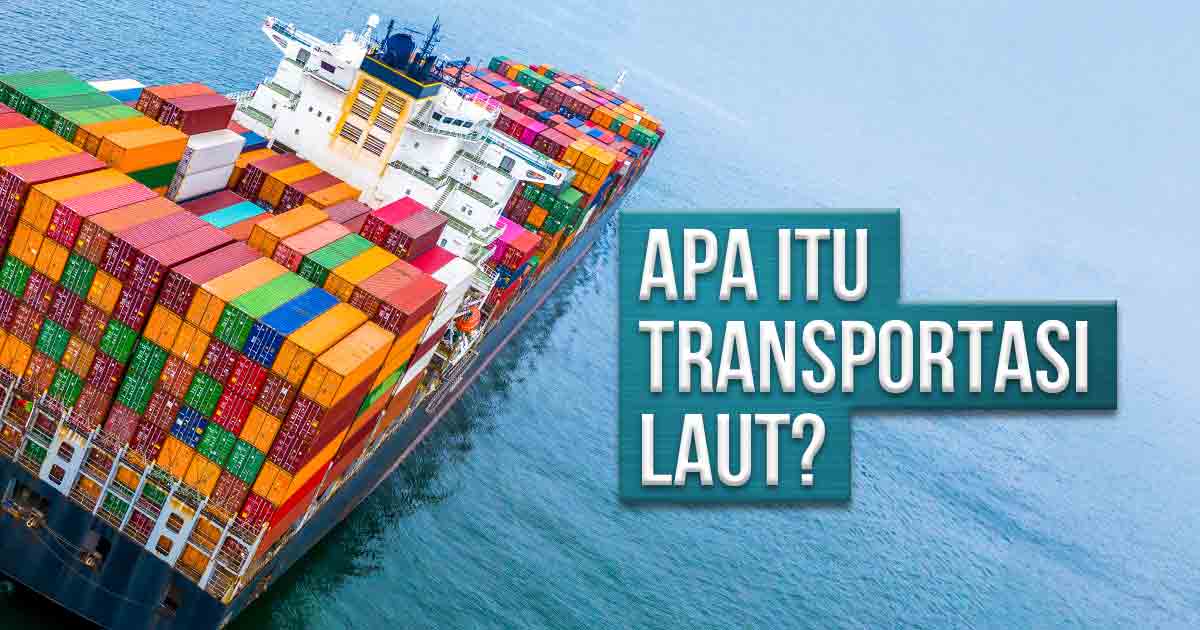
Ekspedisi laut (sea freight) adalah layanan angkutan kargo yang memindahkan barang komersial antar pelabuhan menggunakan kapal laut. Ekspedisi laut mengikuti proses standar di mana kargo dikumpulkan di gudang pengirim, freight forwarder mengurus dokumen kepabeanan dan pemuatan di pelabuhan asal, lalu mengkoordinasikan pengiriman akhir ke konsinyasi di pelabuhan tujuan. Program Tol Laut pemerintah mendukung koridor pengiriman prioritas untuk meningkatkan distribusi barang di Sumatra, Jawa, Kalimantan, Sulawesi, Nusa Tenggara, Maluku, dan Papua.
Harga pengiriman ekspedisi laut di Indonesia dimulai dari Rp 2.500 per kilogram untuk pergerakan kargo domestik. Kiriman Full Container Load (FCL) domestik berkisar antara Rp 6.000.000 hingga Rp 20.000.000 per kontainer 20 kaki. Harga pengiriman ekspedisi laut di Indonesia dihitung per kilogram, per meter kubik, dan per kontainer. Tarif per kilogram berlaku untuk kargo domestik di kapal RORO dan kapal kargo umum. PELNI dan jalur pelayaran swasta keduanya menggunakan tarif per kilogram. Tarif per meter kubik berlaku untuk kiriman Less than Container Load (LCL) yang ditagih berdasarkan volume kargo. Tarif LCL internasional dari Jakarta berkisar antara Rp 3.500.000 hingga Rp 5.500.000 per meter kubik. Tarif per kontainer berlaku untuk kiriman FCL yang memberlakukan tarif flat untuk penggunaan eksklusif satu kontainer.
Ekspedisi laut di Indonesia hadir dalam tiga jenis layanan utama yaitu FCL, LCL, dan RORO. Layanan Full Container Load (FCL) memberikan hak penggunaan eksklusif atas kontainer bagi satu pengirim. FCL sangat cocok untuk kargo seragam bervolume tinggi seperti elektronik, mesin industri, furnitur, dan tekstil. Pengiriman FCL memiliki estimasi waktu domestik 3 hingga 10 hari serta biaya berkisar antara Rp 6.000.000 hingga Rp 20.000.000. Sementara itu, Less than Container Load (LCL) merupakan layanan kontainer bersama untuk kargo campuran di bawah 15 meter kubik yang dikonsolidasikan di Container Freight Station (CFS), di mana layanan ini ideal untuk barang ritel, sampel produk, atau kiriman e-commerce dengan tarif Rp 3.500.000 hingga Rp 5.500.000 per meter kubik dari Jakarta. Layanan roll-on roll-off (RORO) menangani kargo beroda seperti kendaraan penumpang, sepeda motor, truk, bus, dan alat berat yang dimuat langsung melalui ramp drive-on dan drive-off tanpa kontainerisasi, dengan biaya berdasarkan kelas kendaraan mulai dari Rp 225.000 untuk mobil penumpang di jalur penyeberangan utama seperti Merak ke Bakauheni.
Asuransi tersedia untuk semua jenis layanan, biasanya sebesar 0,5% hingga 2% dari nilai kargo yang dideklarasikan. Pelacakan tersedia secara penuh untuk FCL dan LCL melalui portal operator atau dasbor freight forwarder. Namun, untuk layanan RORO, pelacakan cenderung terbatas pada visibilitas jadwal kapal melalui aplikasi atau situs web operator dan tanpa fitur pelacakan GPS real-time untuk paket individu.
| Parameter | FCL (Eksklusif) | LCL (Berbagi) | RORO (Beroda) |
| Jenis Layanan | Sewa kontainer eksklusif untuk satu pengirim. | Ruang kontainer bersama yang dikonsolidasikan. | Pemuatan kendaraan/kargo beroda via ramp. |
| Kontainer | 20ft (33 m³), 40ft (67 m³), atau HC (76 m³). | Gabungan kargo dalam kontainer kering/HC di CFS. | Tanpa kontainer; kargo langsung di dek kapal. |
| Min. Volume | 1 kontainer 20ft penuh (~25 m³). | 0,3 – 1 m³ (berlaku biaya minimum). | 1 unit kendaraan (motor, mobil, truk, bus). |
| Estimasi Biaya | Rp 6jt – 20jt (Dom); USD 1k – 3k (Int). | Rp 3,5jt – 5,5jt/m³; USD 180 – 650 (Int). | Mobil (225rb – 512rb); Truk (sd Rp 3,8jt). |
| Estimasi Waktu | Dom: 3-10 hari; Int: 7-35 hari. | Dom: 5-14 hari; Int: 21-40 hari. | Pendek: 2-24 jam; Jauh: 1-5 hari. |
| Pelacakan | Ya, via portal operator kapal. | Ya, via dasbor forwarder atau CFS. | Terbatas; via jadwal app tanpa GPS real-time. |
Perbedaan utamanya adalah metode penagihan, ukuran kiriman minimum, dan struktur transit.
Apa Itu Ekspedisi Laut?
Ekspedisi laut merupakan proses pemindahan barang antar pelabuhan menggunakan kapal. Ekspedisi laut mencakup pengiriman kontainer, pengiriman curah (bulk shipping), dan pengiriman roll-on roll-off (RORO) untuk perdagangan domestik dan internasional. Kapal ekspedisi laut beroperasi di rute antarpulau domestik Indonesia dan jalur laut internasional. Ekspedisi laut mengangkut lebih dari 80 persen barang yang diperdagangkan di seluruh dunia berdasarkan volume, menurut UN Trade and Development.
Ekspedisi laut memindahkan lebih banyak kargo per pelayaran dibandingkan truk atau pesawat. Ekspedisi laut menyebarkan biaya bahan bakar, awak kapal, dan pelabuhan ke seluruh ribuan ton muatan. Harga pengiriman per satuan turun drastis seiring meningkatnya volume kargo. Layanan ekspedisi laut mencakup pemesanan kargo, dokumentasi kepabeanan, pemuatan ke kapal, transit laut, pembongkaran di pelabuhan, dan koordinasi pengiriman jarak terakhir. Freight forwarder berlisensi dan jalur pelayaran sering mengelola keseluruhan rantai tersebut secara door-to-door.
Ekspedisi laut di Indonesia adalah pilihan yang realistis untuk sebagian besar pergerakan kargo domestik dan internasional. Ekspedisi laut menghubungkan lebih dari 17.000 pulau di Indonesia melalui jaringan pelabuhan yang luas, menyatukan wilayah daratan yang terpisah. Produsen, eksportir, importir, dan distributor Indonesia dihubungkan melalui laut satu sama lain dan dengan mitra dagang di Asia, Eropa, Amerika Utara, dan Timur Tengah. Ekspedisi laut memungkinkan pergerakan bahan baku, barang manufaktur, dan komoditas curah dengan biaya transportasi per satuan yang lebih rendah dibandingkan moda lain untuk rute jarak jauh.
Pelabuhan Tanjung Priok di Jakarta adalah pelabuhan kontainer terbesar di Indonesia, menangani sekitar 7,6 juta TEU pada 2024 dan menjadikannya salah satu terminal tersibuk di Asia Tenggara.
Layanan ekspedisi laut Deliveree adalah layanan Less than Container Load (LCL) yang dijalankan bekerja sama dengan Salam Pacific Indonesia Lines (SPIL). Layanan LCL Deliveree menghubungkan pengirim dari Jakarta dan Surabaya ke pelabuhan antarpulau utama di seluruh Sumatra, Kalimantan, Sulawesi, Nusa Tenggara, Maluku, dan Papua. Deliveree menangani kiriman hingga 8 ton per pemesanan dan menagih berdasarkan meter kubik (m³). Layanan LCL mencakup asuransi kargo gratis hingga Rp 1 miliar per kiriman, dengan pengambilan dan pengiriman door-to-door tersedia. Pengemudi Deliveree mengambil kargo dari lokasi pengirim dan membawanya ke pelabuhan. Dari pelabuhan, kargo dimasukkan ke dalam kontainer bersama dan dikirim dengan truk kepada konsinyatir di tujuan akhir. Pengirim dapat memesan, melacak, dan mendapatkan estimasi harga pengiriman dalam waktu kurang dari 30 detik melalui aplikasi atau situs web Deliveree.
Apa Arti Ekspedisi Laut dalam Logistik Global?
Ekspedisi laut (sea freight) dalam logistik global adalah angkutan barang komersial menggunakan kapal di rute laut internasional dan jalur air domestik. Ekspedisi laut menyumbang lebih dari 80% barang yang diperdagangkan di seluruh dunia berdasarkan volumenya, menurut UN Trade and Development.
Ekspedisi laut memindahkan komoditas curah seperti batu bara, biji-bijian, dan minyak bumi, bersama dengan barang manufaktur dan mesin industri. Biaya transportasi per satuan yang lebih rendah membuat perdagangan internasional layak secara ekonomi untuk jarak jauh. Pengiriman udara, angkutan jalan, dan angkutan kereta memiliki biaya per satuan yang lebih tinggi di rute internasional utama. Koneksi ini berjalan melalui pelabuhan, terminal kontainer, dan sistem logistik intermodal.
Indonesia memiliki 636 pelabuhan dalam Rencana Induk Pelabuhan Nasional dan lebih dari 17.000 pulau. Program Tol Laut diluncurkan oleh pemerintah Indonesia pada tahun 2015 untuk meningkatkan distribusi barang dan mengurangi disparitas harga antara Indonesia bagian barat dan wilayah timur yang terpencil.
Apakah ekspedisi laut sama dengan ocean freight?
Ya. Ekspedisi laut dan ocean freight memiliki arti moda pengiriman yang sama, meskipun istilah ocean freight lebih umum digunakan dalam praktik perdagangan Amerika Utara dan dokumentasi internasional. Ekspedisi laut adalah istilah yang lebih disukai di pasar logistik Asia-Pasifik, Eropa, dan Asia Tenggara, termasuk Indonesia.
Prosedur kepabeanan dan kebijakan asuransi laut memperlakukan kedua istilah tersebut sebagai identik untuk mendeskripsikan kargo yang diangkut oleh kapal kontainer, kapal curah, atau operator RORO.
Bagaimana Cara Kerja Pengiriman Ekspedisi Laut?
Pengiriman kargo laut bekerja dengan kargo diambil dan dimuat ke dalam kontainer, baik di lokasi asal maupun di CFS. Lalu, kargo melewati pengurusan pabean ekspor. Kemudian, kargo melakukan perjalanan laut antar pelabuhan. Setelah itu, kontainer melewati pengurusan pabean impor di pelabuhan tujuan. Akhirnya, kargo diserahkan kepada consignee akhir melalui pengiriman last-mile.
Logistik kargo laut melibatkan lima pihak utama di Indonesia, yaitu shipper, freight forwarder EMKL, shipping line, otoritas pelabuhan Pelindo, dan Bea Cukai. Freight forwarder EMKL bertindak sebagai titik operasional tunggal yang menghubungkan semua pihak tersebut.
Prosesnya dimulai ketika freight forwarder EMKL memesan ruang kapal dengan shipping line. Forwarder kemudian mengatur transportasi darat dari gudang shipper ke pelabuhan keberangkatan. Kargo FCL dimuat ke dalam kontainer eksklusif di container yard, sedangkan kargo LCL dikonsolidasikan dengan barang lain di CFS. Kargo RORO berjalan langsung ke atas dek kapal melalui ramp pemuatan. Sebelum batas waktu cargo cut-off, pihak EMKL mengajukan dokumen seperti Commercial Invoice, Packing List, Bill of Lading, dan Pemberitahuan Ekspor Barang (PEB) ke portal Indonesia National Single Window (INSW). Bea Cukai kemudian meninjau dan menyetujui deklarasi ekspor sebelum kapal berangkat.
Layanan kargo laut Deliveree menjalankan seluruh proses pengiriman LCL melalui aplikasi dengan kemitraan langsung bersama SPIL. Anda dapat memesan secara online, lalu pengemudi Deliveree mengambil kargo dari lokasi Anda atau Anda mengantarkannya sendiri ke pelabuhan. Konsolidator SPIL memuat kargo ke dalam kontainer bersama di CFS asal, lalu kapal membawa pengiriman melalui rute domestik yang ditentukan. Deliveree mengoordinasikan pengiriman di pelabuhan tujuan dengan fitur pelacakan real-time di aplikasi. Kargo standar tidak memerlukan dokumen terpisah karena sudah tercakup dalam booking.
Apa Proses Pengiriman Melalui Laut dari Pelabuhan ke Pelabuhan?
Proses pengiriman kargo laut dari pelabuhan ke pelabuhan mencakup pemesanan kapal (booking), pengurusan pabean ekspor, transit laut, pengurusan pabean impor, dan pelepasan kargo di pelabuhan tujuan. Dokumentasi yang diajukan melalui portal INSW menentukan kecepatan proses pengiriman di Indonesia. Akurasi dokumen adalah faktor utama yang menentukan apakah suatu pengiriman lolos melalui Green Lane dalam 1 hingga 2 hari kerja atau tertahan di Red Lane selama 7 hingga 14 hari kerja untuk pemeriksaan fisik.
Freight forwarder EMKL, atau shipper secara langsung, mengamankan ruang kapal dengan shipping line. Forwarder mempersiapkan empat dokumen penting untuk diajukan ke portal INSW sebelum batas waktu cargo cut-off shipping line. Empat dokumen tersebut adalah Commercial Invoice, Packing List, BOL, dan PEB.
Freight forwarder mengatur transportasi darat dari gudang shipper ke pelabuhan asal. Kargo FCL dimuat ke dalam kontainer eksklusif di container yard. Kargo LCL dikonsolidasikan dengan barang shipper lain di CFS. Kargo roll-on/roll-off berjalan langsung ke atas dek kapal melalui ramp pemuatan.
Bea Cukai meninjau PEB dan dokumen pendukung melalui portal INSW. Bea Cukai kemudian menerbitkan Nota Pemberitahuan Ekspor (NPE) untuk pengiriman yang disetujui. NPE adalah konfirmasi resmi yang mengotorisasi pemuatan ke kapal.
Shipping line mengangkut kargo melalui rute laut yang ditentukan. Waktu transit berkisar dari 2 hingga 4 jam untuk penyeberangan RORO jarak pendek seperti Merak-Bakauheni, hingga 7 hingga 21 hari untuk rute kontainer intra-Asia, dan 25 hingga 35 hari untuk rute antarkontinental ke Eropa dan Amerika Utara.
Freight forwarder consignee mengajukan Pemberitahuan Impor Barang (PIB) melalui portal INSW. Bea Cukai menetapkan jalur pengurusan pabean berdasarkan tiga profil risiko. Green Lane berarti barang lolos dalam 1 hingga 2 hari kerja dengan pelepasan otomatis. Yellow Lane berarti barang memerlukan 3 hingga 5 hari kerja dengan proses tinjauan dokumen. Red Lane berarti barang memerlukan 7 hingga 14 hari kerja dan memerlukan pemeriksaan fisik penuh.
Bea Cukai menerbitkan Surat Persetujuan Pengeluaran Barang (SPPB). Kontainer kemudian dipindahkan ke container yard untuk pengambilan. Consignee menyelesaikan biaya penyimpanan pelabuhan yang masih terutang, dan freight forwarder mengoordinasikan pengiriman last-mile ke gudang atau fasilitas distribusi.
Apakah Pengiriman Ekspedisi Laut Memerlukan Freight Forwarder?
Ya. Untuk kargo laut internasional di Indonesia, freight forwarder atau agen pabean berlisensi biasanya diperlukan. Agen pabean Pengusaha Pengurusan Jasa Kepabeanan (PPJK) berlisensi, atau importir/eksportir terdaftar, harus mengajukan dokumen impor PIB dan ekspor PEB secara langsung melalui portal INSW. Pengiriman antarpulau domestik memang lebih fleksibel, tetapi penggunaan freight forwarder EMKL tetap merupakan praktik standar untuk memastikan konsistensi dokumentasi dengan pihak terminal Pelindo dan operator container yard.
Sebagian besar bisnis di Indonesia menggunakan freight forwarder EMKL dengan akreditasi PPJK ganda. Forwarder jenis ini mengelola rantai logistik fisik sekaligus proses pabean digital dalam satu kontrak. Satu kesalahan dokumentasi dalam pengajuan PIB atau PEB dapat memicu penetapan Red Lane oleh Bea Cukai, yang tidak hanya menambah waktu hingga 14 hari kerja, tetapi juga meningkatkan biaya demurrage container yard harian di pelabuhan besar seperti Tanjung Priok, Tanjung Perak, dan Belawan.
Forwarder berakreditasi PPJK sangat penting untuk menavigasi sistem pengurusan pabean impor multi-instansi di Indonesia. Sistem INSW mengintegrasikan Bea Cukai, Kementerian Perdagangan, Badan Pengawas Obat dan Makanan (BPOM), dan layanan karantina ke dalam satu portal. Izin produk yang hilang dari salah satu instansi ini dapat membekukan pelepasan kargo sepenuhnya, meskipun deklarasi Bea Cukai sudah benar. Forwarder yang berpengalaman memahami persyaratan dokumentasi setiap instansi, mencegah pembekuan kargo yang bisa mendorong jadwal pengiriman mundur hingga berminggu-minggu.
Apa Saja Jenis Layanan Ekspedisi Laut?
Jenis layanan kargo laut adalah Full Container Load, Less than Container Load, dan pengiriman Roll-on/Roll-off. Jenis layanan kargo laut dibedakan oleh utilisasi kontainer, desain kapal, dan konfigurasi kargo, yang menentukan harga per meter kubik, waktu transit, dan kompleksitas pabean.
- Full Container Load: FCL adalah layanan kargo laut di mana satu shipper menempati seluruh kontainer secara eksklusif dan membayar harga pengiriman flat per unit kontainer terlepas dari berapa banyak ruang internal yang diisi kargo. FCL cocok untuk volume kargo pada atau di atas 15 meter kubik.
- Less than Container Load: LCL adalah layanan kargo laut di mana kargo beberapa shipper dikonsolidasikan ke dalam satu kontainer bersama di Container Freight Station (CFS) dan ditagihkan per CBM. LCL sesuai untuk barang ritel, sampel produk, barang pribadi, dan pengiriman e-commerce.
- Roll-on/roll-off: Pengiriman RORO adalah layanan kargo laut di mana kargo beroda berjalan langsung ke atas dan ke bawah kapal RORO khusus melalui ramp bawaan dan dek kendaraan. RORO menghilangkan biaya pengangkatan crane dan stuffing kontainer.
Layanan ekspedisi laut Deliveree menawarkan dua jenis layanan kargo laut yang mencakup kebutuhan kargo LCL dan FCL. Layanan online utama adalah Ship LCL, yang dapat Anda pesan langsung melalui aplikasi atau platform web Deliveree. Ship LCL menyediakan pengiriman door-to-door atau port-to-door dari Jakarta dan Surabaya ke pelabuhan-pelabuhan utama di Indonesia melalui jaringan SPIL. Setiap pemesanan mencakup pemilihan jadwal kapal secara real-time, pelacakan dalam aplikasi, asuransi kargo gratis hingga Rp 1 miliar, dan dukungan pelanggan 24 jam.
Full Container Load (FCL)
Full Container Load (FCL) adalah layanan kargo laut di mana satu shipper menggunakan seluruh kontainer secara eksklusif. Kargo FCL disegel di container yard asal dan dikirim ke pelabuhan tujuan tanpa pembukaan atau penanganan di antaranya. Ukuran kontainer FCL yang umum adalah kontainer 20 kaki dengan ruang kargo yang dapat digunakan sekitar 25 hingga 28 meter kubik dan kontainer 40 kaki dengan sekitar 55 hingga 67 meter kubik. Harga pengiriman FCL mengikuti struktur flat per kontainer. Shipper membayar untuk seluruh kontainer terlepas dari berapa banyak yang terisi. FCL paling efisien dari segi biaya ketika volume kargo mencapai minimal 15 meter kubik pada kontainer 20 kaki atau 30 meter kubik pada kontainer 40 kaki.
FCL adalah jenis layanan yang tepat untuk empat kondisi kargo. Memiliki kontainer eksklusif ideal untuk kargo dengan volume tinggi, kebutuhan keamanan, sensitivitas waktu, atau pembatasan bahan berbahaya.
- Jika volume kargo melebihi 15 meter kubik. Di bawah 15 CBM, harga pengiriman LCL per CBM biasanya lebih murah daripada membayar untuk satu kontainer penuh.
- Jika barang memerlukan keamanan kontainer eksklusif untuk mengurangi risiko kontaminasi, kerusakan, atau pencurian dari kargo yang dimuat bersama. Keamanan kontainer eksklusif paling penting untuk elektronik, mesin bernilai tinggi, dan produk makanan.
- Ketika pengiriman bersifat time-sensitive; FCL dapat memangkas total waktu transit sebesar 2 hingga 5 hari kerja dibandingkan dengan LCL karena kontainer FCL melewati konsolidasi dan dekonsolidasi CFS.
- Untuk pengiriman bahan berbahaya yang diklasifikasikan sebagai barang B3 berdasarkan peraturan pabean Indonesia. Barang B3 tidak dapat dimuat bersama kargo shipper lain di dalam kontainer LCL bersama.
FCL terutama dipilih untuk volume, keamanan, kecepatan, dan pembatasan kargo. Shipper yang beroperasi secara rutin pada volume tinggi biasanya mengunci tarif FCL melalui kontrak tahunan dengan shipping line.
FCL mengenakan biaya pengiriman per kontainer, bukan per CBM atau per kilogram. Harga pengiriman FCL untuk kontainer 20 kaki dari pelabuhan Indonesia berkisar antara Rp10.400.000 hingga Rp12.000.000 untuk rute intra-Asia, dan antara Rp16.000.000 hingga Rp48.000.000 untuk rute ke Eropa dan Amerika Utara (per 2025/2026). Harga final bergantung pada lini pelayaran, pasangan pelabuhan, dan biaya tambahan bahan bakar yang berlaku. Harga FCL domestik antar-pulau cenderung lebih rendah dan bervariasi tergantung operatornya. Operator utama meliputi SPIL, Meratus Line, dan Pelni, di mana masing-masing memberikan kutipan harga berdasarkan pasangan pelabuhan asal-tujuan dan ukuran kontainer. Karena struktur harganya flat, biaya pengiriman FCL per unit turun drastis saat kontainer mendekati kapasitas maksimal, sehingga cocok untuk pengirim bervolume tinggi.
Less than Container Load (LCL)
Less than Container Load (LCL) adalah layanan kargo laut di mana beberapa shipper berbagi satu kontainer dan membayar berdasarkan volume kargo. Setiap shipper hanya membayar untuk CBM yang ditempati barangnya di dalam kontainer bersama tersebut. LCL memungkinkan shipper kecil dan menengah menggunakan pengiriman kontainer tanpa membayar untuk satu kontainer FCL penuh. LCL mencakup CFS asal untuk konsolidasi, leg laut melalui konsolidator non-vessel operating common carrier (NVOCC), dan CFS tujuan untuk dekonsolidasi.
Kargo laut LCL dioperasikan melalui freight forwarder dan konsolidator NVOCC. Konsolidator NVOCC mengumpulkan kargo dari banyak shipper dan menerimanya di CFS asal sebelum cut-off shipping line. Konsolidator memuat kargo ke dalam kontainer bersama dan mengoordinasikan leg laut. Di CFS tujuan, mereka membongkar barang setiap shipper sebelum pengiriman terpisah. LCL memberikan ekonomi pengiriman yang lebih baik daripada FCL untuk pengiriman di bawah sekitar 15 CBM karena semua shipper yang dimuat bersama berbagi biaya kontainer.
Konsolidasi LCL mengikuti proses dua CFS. Satu CFS menangani konsolidasi asal, dan satu CFS menangani dekonsolidasi tujuan. Freight forwarder EMKL mengantarkan kargo shipper ke CFS asal. Konsolidator LCL memuatnya bersama barang shipper lain ke dalam kontainer bersama sebelum cut-off. Di CFS tujuan, konsolidator membongkar kontainer dan memisahkan kargo setiap shipper secara fisik. Setiap pengiriman individual melalui pengurusan pabean impor masing-masing melalui portal Indonesia National Single Window (INSW) sebelum pengiriman akhir. Penanganan CFS di kedua ujung menambah 2 hingga 5 hari kerja pada total waktu transit LCL dibandingkan dengan FCL, karena konsolidasi dan dekonsolidasi keduanya membutuhkan waktu di luar leg laut itu sendiri.
Harga pengiriman LCL dihitung per CBM atau per revenue ton. Freight forwarder mengenakan biaya berdasarkan pengukuran mana yang menghasilkan angka tagihan lebih tinggi, sebuah metode “higher-of-two” yang bertujuan untuk menghindari kurang tagih (under-billing) Di pasar Indonesia, harga pengiriman laut LCL untuk rute internasional berkisar antara Rp560.000 hingga Rp1.920.000 per CBM, tergantung pada jalur pelayaran dan maskapai pengangkutnya. Freight forwarder akan menambahkan biaya handling CFS asal, bongkar muat CFS tujuan, serta biaya pecah Bill of Lading (BOL) di luar tarif dasar laut tersebut. Sebagai contoh, pengiriman LCL sebesar 2,4 CBM dengan tarif Rp800.000 per CBM akan dikenakan biaya dasar laut sekitar Rp1.920.000. Biaya handling CFS biasanya menambah beban biaya sekitar Rp480.000 hingga Rp960.000 per pengiriman. Kontainer FCL 20 kaki dengan harga Rp10.400.000 hingga Rp12.000.000 pada rute yang sama akan mencapai titik impas (cost parity) dengan LCL di volume sekitar 15 meter kubik. Di bawah volume tersebut, LCL adalah pilihan yang lebih hemat biaya untuk kargo Anda; namun jika di atas itu, FCL menawarkan harga pengiriman per CBM yang lebih baik.
Pengiriman RORO (Roll-On Roll-Off)
RORO (Roll-On/Roll-Off) adalah layanan kargo laut untuk kargo beroda yang dikendarai langsung ke atas dan ke bawah kapal melalui ramp. Pengiriman RORO tidak memerlukan stuffing kontainer atau pengangkatan crane. Kargo berjalan masuk di pelabuhan asal dan berjalan keluar di pelabuhan tujuan. Langkah penanganan kontainer penuh tidak berlaku untuk RORO.
Pengiriman RORO dijalankan melalui dua tahap operasional utama. Pada tahap roll-on, staf pelabuhan mengendarai atau menarik kendaraan dan peralatan beroda ke atas kapal RORO. Pada tahap roll-off, staf pelabuhan mengendarai atau menarik kargo yang sama ke luar kapal dan ke terminal tujuan. Pengiriman RORO memangkas waktu turnaround pelabuhan dengan menghilangkan pengangkatan crane dan stuffing kontainer. RORO menurunkan risiko kerusakan struktural yang dihadapi kargo beroda ketika diangkat masuk dan keluar dari kontainer.
Pengiriman RORO adalah metode kargo laut standar untuk kendaraan dan alat berat pada rute antarpulau Indonesia dan jalur internasional. Kapal RORO internasional singgah di Tanjung Priok dan Tanjung Perak. Layanan RORO domestik menghubungkan Jawa dengan Sumatra, Kalimantan, Sulawesi, dan Papua untuk pergerakan kendaraan dan peralatan. Penetapan harga bergantung pada jenis kendaraan, dimensi, dan pelabuhan asal. Waktu transit RORO berkisar antara 21 hingga 35 hari. Perjalanan RORO antarpulau domestik memerlukan 3 hingga 10 hari, tergantung pada pasangan pelabuhan dan jadwal kapal.
Kapal RORO memiliki lima kategori kargo utama berdasarkan penggerak kendaraan, penggunaan industri, dan dimensi.
- Untuk pengiriman kendaraan bergerak sendiri seperti mobil, sepeda motor, truk, dan bus yang dapat berjalan ke atas kapal dengan tenaga mesinnya sendiri.
- Pengiriman kendaraan yang dapat ditarik seperti trailer, karavan, dan kendaraan yang tidak dapat berjalan yang bergerak menggunakan dolly roda pelabuhan atau ditarik oleh traktor terminal.
- Digunakan untuk pengiriman peralatan konstruksi seperti ekskavator, buldozer, crane, grader, dan mesin serupa yang berjalan naik ramp dengan tenaganya sendiri atau dengan bantuan traktor.
- Mengirim mesin pertanian seperti traktor, combine harvester, dan peralatan pertanian beroda lainnya yang berpindah antarpulau untuk pekerjaan musiman.
- Untuk mentransportasikan peralatan industri seperti generator mobile, kompresor udara, dan unit industri beroda berukuran besar lainnya yang melebihi dimensi kontainer standar.
Pengiriman RORO tidak cocok untuk semua jenis kargo. Pengiriman RORO tidak sesuai untuk kargo tidak beroda, barang lepas, atau barang yang melebihi batas ruang bebas tinggi dan berat ramp dan dek kendaraan kapal. Shipper yang memindahkan kargo berukuran besar yang tidak beroda, seperti boiler industri atau struktur baja prefabrikasi, menggunakan kontainer flat-rack atau open-top dalam kargo laut FCL sebagai pengganti RORO.
Berapa Biaya Ekspedisi Laut di Indonesia?
Biaya pengiriman kargo laut di Indonesia berkisar dari sekitar Rp 500 hingga 3.500 per kg untuk pengiriman domestik berbasis berat, Rp 300.000 hingga 600.000 per CBM untuk LCL domestik, dan Rp 6 hingga 20 juta per kontainer untuk FCL domestik. Biaya tambahan mencakup Terminal Handling Charges (THC), fuel surcharge Bunker Adjustment Factor (BAF), biaya Container Freight Station (CFS), biaya dokumentasi, dan biaya keamanan pelabuhan. Shipper yang hanya membandingkan tarif laut dasar dan mengabaikan biaya tambahan ini meremehkan biaya landed cost sebenarnya mereka sekitar 20 hingga 40%.
Penetapan harga kargo laut domestik di Indonesia mengikuti tiga tingkat rute berdasarkan jarak dan kekuatan pelabuhan tujuan.
- Rute domestik jarak pendek seperti Jawa ke Bali dan Jawa ke Sumatra memiliki tarif FCL 20 kaki sekitar Rp 6 hingga 8 juta per kontainer dan tarif LCL sekitar Rp 300.000 hingga 400.000 per CBM.
- Rute domestik jarak menengah seperti Jawa ke Kalimantan dan Jawa ke Sulawesi memiliki tarif FCL 20 kaki dari Rp 8 hingga 12 juta dan tarif LCL sekitar Rp 400.000 hingga 500.000 per CBM.
- Rute domestik jarak jauh Jawa ke Papua dan Jawa ke Maluku memiliki tarif FCL 40 kaki dalam kisaran Rp 15 hingga 20 juta dan tarif LCL sekitar Rp 500.000 hingga 600.000 per CBM.
Deliveree mengenakan biaya untuk layanan kargo laut LCL-nya berdasarkan per CBM dan mencakup pengambilan trucking, penanganan CFS, dan asuransi barang gratis hingga Rp 1 miliar dalam satu harga all-in. Anda melihat biaya door-to-door atau port-to-door sebenarnya tanpa perlu menebak biaya pelabuhan tambahan. Dapatkan penawaran harga LCL instan di aplikasi Deliveree atau melalui kalkulator harga online di situs web. Keduanya menampilkan tarif terkini untuk rute Anda, estimasi waktu transit, dan layanan opsional dalam waktu kurang dari 30 detik. Pelanggan dengan volume kontainer penuh dapat menghubungi layanan pelanggan 24/7 Deliveree untuk penetapan harga kargo laut FCL yang disesuaikan dikombinasikan dengan armada truknya dalam satu pemesanan.
Faktor Apa Saja yang Memengaruhi Harga Ekspedisi Laut di Indonesia?
Faktor-faktor yang memengaruhi penetapan harga ekspedisi kargo laut di Indonesia mencakup volume dan berat kargo, jarak rute dan pasangan pelabuhan, jenis kontainer, harga bahan bakar saat ini, biaya penanganan pelabuhan, permintaan musiman, dan kompleksitas pabean.
- Volume dan berat kargo: Volume dan berat kargo menentukan metode penagihan dan total biaya. Penetapan harga LCL dikalikan dengan CBM atau revenue ton, mana pun yang menghasilkan angka yang dapat ditagihkan lebih tinggi. Pengiriman LCL domestik 5 CBM pada rute Jakarta ke Makassar dikenakan biaya laut dasar sekitar Rp 1.500.000 hingga Rp 2.500.000; pengiriman 20 CBM pada rute yang sama mulai masuk ke wilayah FCL, di mana harga flat per kontainer biasanya lebih murah per CBM dibandingkan tetap menggunakan LCL. Pergeseran tersebut menguntungkan shipper yang mengisi kontainer secara efisien.
- Jarak rute dan pasangan pelabuhan: Jarak rute dan pasangan pelabuhan menaikkan atau menurunkan tarif laut dasar. Kontainer FCL 20 kaki dari Jakarta ke Makassar (transit sekitar 3 hingga 5 hari) biasanya dihargai sekitar Rp 8.000.000 hingga Rp 12.000.000, sementara kontainer yang sama pada rute Jakarta ke Sorong (sekitar 7 hingga 10 hari transit) dapat mencapai Rp 15.000.000 hingga Rp 20.000.000 karena jarak pelayaran yang lebih jauh, frekuensi layanan yang lebih rendah, dan biaya distribusi bahan bakar yang lebih tinggi di Indonesia timur.
- Jenis kontainer: Jenis kontainer menaikkan tarif dasar ketika kargo memerlukan pendinginan atau penanganan out-of-gauge di luar dimensi standar. Kontainer kering 20 kaki dan 40 kaki standar membawa tarif dasar. Kontainer berpendingin menambahkan premium harga untuk pasokan daya dan kontrol suhu. Kontainer out-of-gauge dikenakan biaya tambahan untuk kargo berukuran besar yang tidak muat dalam dimensi kontainer standar.
- Biaya bahan bakar atau BAF: Biaya bahan bakar menyesuaikan tarif laut dasar melalui biaya BAF yang ditinjau secara berkala oleh shipping line. Maersk menerbitkan tarif BAF yang direvisi berlaku efektif 1 Januari 2026, dengan biaya tingkat kontainer di berbagai jalur perdagangan. Penyesuaian BAF ini meningkatkan total biaya pengiriman ketika harga bahan bakar bunker naik.
- Biaya penanganan pelabuhan (THC): Biaya penanganan pelabuhan menambahkan biaya tetap per kontainer di pelabuhan asal dan tujuan, ditagihkan secara terpisah dari tarif laut dasar. THC menambahkan biaya tetap per kontainer di pelabuhan utama Indonesia seperti Tanjung Priok, Tanjung Perak, dan Belawan. Jadwal biaya lokal Indonesia yang dipublikasikan menunjukkan THC sekitar Rp 1.550.000 per kontainer 20 kaki dan Rp 2.365.000 per kontainer 40 kaki. Shipping line atau freight forwarder EMKL biasanya menagihkan biaya ini secara terpisah dari tarif laut dasar.
- Permintaan pasar musiman (Peak Season Surcharge atau PSS): Permintaan pasar musiman menaikkan harga kargo laut ketika ruang kapal mengetat dan eksportir bersaing untuk mendapatkan kapasitas kontainer. Peak Season Surcharge menaikkan harga kargo laut ketika ruang kapal mengetat. Tarif sering naik selama siklus pengisian inventaris pra-liburan Agustus hingga Oktober dan siklus produksi pra-Tahun Baru Imlek Januari hingga Februari, ketika eksportir bersaing untuk mendapatkan kapasitas pada rute intra-Asia.
- Kompleksitas pabean: Kompleksitas pabean memperpanjang total biaya pengiriman dan waktu pengurusan pabean ketika kargo memerlukan izin. Barang yang memerlukan izin dari instansi seperti BPOM, Kementerian Perdagangan, atau otoritas karantina memerlukan langkah-langkah pra-pengurusan pabean tambahan di bawah sistem INSW dan Bea Cukai. Langkah-langkah tersebut dapat menambah 2 hingga 7 hari kerja pada waktu pengurusan pabean dan meningkatkan biaya penyimpanan container yard harian, terutama untuk pengiriman di Yellow Lane atau Red Lane.
Ketujuh faktor ini saling berinteraksi dalam menentukan harga akhir pengiriman ekspedisi laut di Indonesia.
Apakah Fuel Surcharge dan Biaya Pelabuhan Berpengaruh Signifikan terhadap Total Biaya Pengiriman?
Ya. Fuel surcharge, biaya penanganan terminal, dan biaya dokumentasi dapat menambahkan jumlah yang signifikan di atas tarif laut dasar. BAF, THC, biaya Emergency Bunker Surcharge (EBS), dan biaya dokumentasi secara keseluruhan sering menambah USD 300 hingga 700 per kontainer pada rute FCL internasional. Pada jalur intra-Asia, jumlah tambahan tersebut setara dengan sekitar 20 hingga 40% di atas tarif laut dasar. Shipping line dan operator terminal Pelindo mengenakan biaya-biaya ini bahkan ketika tarif spot turun selama periode di luar musim puncak.
Fuel surcharge di Indonesia beroperasi dalam dua lapisan. Lapisan pertama berlaku pada tingkat tarif laut, di mana shipping line mengenakan BAF sebagai biaya per kontainer dan memperbaruinya secara berkala. Lapisan kedua berlaku pada tingkat pelabuhan, di mana panduan fuel surcharge kapal tunda terkait Pelindo menggunakan ambang batas di atas Rp 14.200 per liter. Perhitungan fuel surcharge mengacu pada selisih harga bahan bakar, konsumsi bahan bakar kapal tunda, jam operasional, dan jumlah unit yang dikerahkan. Fuel surcharge kapal tunda tidak berlaku ketika harga bahan bakar laut berada pada atau di bawah ambang batas dasar tersebut.
Detention dan demurrage menciptakan eskalasi biaya terbesar terkait pelabuhan ketika suatu pengiriman mengalami keterlambatan. Shipper atau consignee yang tidak mengambil atau mengembalikan kontainer dalam periode bebas carrier mulai mengakumulasi biaya harian. Biaya harian tersebut meningkat dengan cepat ketika suatu pengiriman masuk ke pemeriksaan Red Lane di Bea Cukai dan pengurusan pabean berlanjut selama beberapa hari kerja. Dalam situasi tersebut, biaya detention dan penyimpanan container yard bertumpuk di atas THC dan fuel surcharge terkait bahan bakar.
Barang Apa Saja yang Cocok untuk Ekspedisi Laut?
Kargo laut paling sesuai untuk barang yang berat, berukuran besar, tidak mendesak, atau cukup besar untuk mendapatkan manfaat dari biaya per unit yang lebih rendah pada jarak jauh. Barang yang sesuai mencakup barang curah, peralatan industri, alat berat, material konstruksi, dan kargo dalam kontainer bervolume besar. Jenis barang dan pengemasan memengaruhi cara kapal menangani dan memuat kargo.
- Barang curah: Mencakup bahan baku lepas tanpa kemasan yang dimuat langsung ke dalam palka kapal atau kontainer curah. Kapal bulk carrier mengangkut puluhan ribu ton per perjalanan, sehingga eksportir mendapatkan biaya per ton yang sangat rendah dibandingkan dengan opsi darat atau udara mana pun.
- Barang industri: Terdiri dari peralatan pabrik, komponen mesin, dan sistem lini produksi yang dikemas dalam kontainer FCL atau dikirim sebagai potongan break-bulk. Barang-barang ini mencakup generator, kompresor, pompa, unit boiler, dan fabrikasi baja. Kargo laut dalam kontainer memberikan transit yang aman dan terlindungi dari cuaca untuk barang industri sekaligus menjaga biaya per kilogram cukup rendah untuk proyek cross-border dan kontrak jangka panjang.
- Alat berat: Termasuk peralatan wheeled (beroda) atau tracked (beroda rantai) berukuran besar yang melebihi dimensi internal atau berat praktis kontainer 40 kaki standar. Kelompok ini mencakup ekskavator, buldozer, crane, forklift besar, dan crawler carrier.
- Material konstruksi: Seperti bahan bangunan dengan berat tinggi dan nilai sedang per kilogram. Kelompok ini mencakup besi beton, balok baja, semen, ubin, panel kaca, kayu, dan modul prefab. Kargo laut memungkinkan pemilik proyek memindahkan ribuan ton dalam kontainer FCL atau palka curah dan menyebarkan total biaya pengiriman ke seluruh muatan, yang membuat proyek-proyek besar tetap layak dalam jaringan antarpulau Indonesia.
- Kargo bervolume besar: sebagai contoh, barang jadi dan stok yang mengisi sebagian besar atau seluruh kontainer. Contohnya meliputi elektronik, peralatan rumah tangga, karton pakaian, gulungan kain, furnitur, suku cadang otomotif, dan produk FMCG yang dipaletkan. Ketika volume pengiriman mendekati utilisasi kontainer penuh, tarif flat FCL secara tajam mengurangi biaya efektif per unit dibandingkan dengan pengiriman lebih kecil yang berulang menggunakan truk atau udara.
Layanan kargo laut Deliveree mengoperasikan layanan LCL di Indonesia untuk kargo berukuran besar dan bervolume tinggi, terutama untuk shipper yang tidak selalu mengisi satu kontainer penuh. Deliveree bermitra dengan SPIL untuk menyediakan keberangkatan LCL reguler dari Jakarta dan Surabaya ke pelabuhan domestik utama, dengan harga berdasarkan volume kargo dalam meter kubik (m³). Deliveree menawarkan opsi door-to-door dan port-to-door serta mencakup asuransi kargo gratis hingga Rp 1 miliar. Layanan Deliveree cocok sebagai opsi kargo laut yang praktis bagi pengusaha atau individu yang memindahkan barang tanpa memerlukan kontainer FCL penuh.
Jenis Kargo Apa yang Umum Dikirim Melalui Ekspedisi Laut?
Jenis kargo yang umum dikirim melalui kargo laut adalah komoditas curah kering, kargo cair, barang manufaktur dalam kontainer, serta kendaraan atau mesin beroda. Keempat jenis kargo ini mencakup sebagian besar tonase yang diperdagangkan karena kapal menggabungkan kapasitas berat yang sangat tinggi dengan jangkauan jarak jauh.
- Komoditas curah kering: Mencakup bahan baku lepas tanpa kemasan yang dimuat ke dalam palka bulk carrier. Contoh umum adalah batu bara, gandum, beras, jagung, kedelai, bijih nikel, dan semen.
- Kargo cair: Seperti cairan yang dipindahkan dalam kapal tanker atau kontainer isotank. Ini mencakup minyak mentah, bahan bakar olahan, minyak kelapa sawit, LNG, dan bahan kimia cair industri. Desain tanker menyediakan tangki berlapis terpisah dan sistem pemompaan terkontrol, sehingga carrier dapat memindahkan volume cairan besar dengan aman pada biaya per ton yang lebih rendah dibandingkan tanker jalan raya pada jarak jauh.
- Barang manufaktur dalam kontainer: Termasuk produk jadi dan komponen yang dikemas dalam kontainer FCL dan LCL. Shipper menempatkan elektronik, tekstil dan pakaian, makanan kemasan, suku cadang otomotif, peralatan rumah tangga, furnitur, dan produk farmasi yang sesuai ke dalam kontainer 20 kaki atau 40 kaki. Kapal kontainer menumpuk unit-unit ini dalam slot TEU dan memindahkannya antar pelabuhan, yang memungkinkan rantai pasok menggabungkan keamanan, kecepatan penanganan di terminal, dan biaya per unit yang rendah pada rute jarak jauh.
- Kendaraan dan mesin beroda: Seperti mobil, truk, bus, sepeda motor, dan peralatan konstruksi beroda. Kapal RORO menggunakan ramp bawaan sehingga pengemudi dapat memindahkan kendaraan masuk dan keluar tanpa crane atau stuffing kontainer. Metode ini telah menjadi standar untuk ekspor kendaraan dan pergerakan antarpulau untuk peralatan konstruksi karena memadukan penanganan pelabuhan yang cepat dengan penetapan harga yang sesuai untuk kargo berbobot tinggi.
Komoditas curah kering, kargo cair, barang manufaktur dalam kontainer, serta kendaraan atau mesin beroda mendominasi perdagangan antarpulau Indonesia karena 17.000 pulau di negara ini menciptakan permintaan struktural untuk transportasi laut bervolume tinggi yang tidak dapat dipenuhi oleh angkutan darat melintasi perairan terbuka.
Apakah Ekspedisi Laut Ideal untuk Kiriman Berat dan Muatan Massal?
Ya, kargo laut ideal untuk pengiriman berat dan curah. Kapal dirancang untuk memindahkan berat yang sangat tinggi dengan biaya per metrik ton yang lebih rendah dibandingkan moda transportasi jarak jauh lainnya.
Kapal bulk carrier dari kelas Supramax, Panamax, dan Capesize mengangkut 50.000 hingga 180.000 metrik ton kargo curah kering dalam satu perjalanan. Kapal kontainer Panamax klasik mengangkut sekitar 3.000 hingga 5.000 TEU sementara kapal Neo-Panamax yang lebih baru dapat mengangkut sekitar 15.000 TEU. Pada rute-rute ini, kargo laut curah mencapai tingkat biaya pengiriman jauh di bawah angkutan truk jarak jauh ketika jarak dan ukuran muatan meningkat.
Kargo laut menghindari batas berat per sumbu yang berlaku untuk truk jalan raya. Peraturan Indonesia membatasi berat kotor kendaraan truk pada sekitar 45 metrik ton, sehingga peralatan yang beratnya lebih dari itu atau dipindahkan sebagai satu bagian berukuran besar tidak dapat diangkut secara legal dengan satu truk. Kapal mengangkut muatan berat dan curah tersebut sebagai unit RORO, kargo flat-rack, atau pengiriman curah tanpa batasan sumbu yang sama.
Apa Perbedaan antara Ekspedisi Laut dan Angkutan Darat?
Kargo laut dan angkutan darat berbeda terutama dalam moda transportasi, cakupan rute, ukuran pengiriman, waktu transit, dan efisiensi biaya pada jarak tertentu. Kargo laut menggunakan kapal yang beroperasi di sepanjang rute laut domestik Indonesia antar pelabuhan. Angkutan darat menggunakan truk atau kereta api yang memindahkan kargo di sepanjang jaringan jalan dan rel dalam satu pulau, dan dalam beberapa kasus antarpulau menggunakan kapal RORO sebagai tahap penyeberangan dari rute berbasis truk.
| Atribut | Kargo Laut | Angkutan Darat |
| Moda | Kapal (Kontainer, Bulk, RORO) rute laut. | Truk atau Kereta Api (Jalan & Rel). |
| Penggunaan | Domestik antarpulau & perdagangan internasional. | Rute dalam pulau (door-to-door). |
| Kapasitas | Hingga 180rb MT per Bulk Carrier / 15rb TEU per kapal kontainer. | Hingga 50 MT per truk (PM 60/2019). |
| Transit Time | Domestik: 2-7 hari; Int’l: 7-30+ hari. | JKT-SBY: 1-3 hari; Dalam kota: hari yang sama. |
| Biaya/Ton (Intra-Jawa) | JKT-SBY: ~Rp 306rb/ton (Intermodal maritim). | JKT-SBY: ~Rp 135rb/ton (Full darat). |
| Last-Mile | Perlu pengambilan di pelabuhan atau leg truk kedua. | Langsung door-to-door dari shipper ke consignee. |
| Ukuran Kargo | Ideal untuk barang OOG (melebihi batas jalan raya). | Terbatas GVW 50 MT; muatan besar perlu izin khusus. |
| Fleksibilitas | Jadwal tetap; booking 2-3 hari sebelum pelayaran. | On-demand; pemesanan FTL bisa di hari yang sama. |
Pembagian geografis adalah perbedaan penting bagi shipper Indonesia. Pada rute dalam pulau di Jawa, angkutan darat membawa efisiensi biaya lebih tinggi per ton pada koridor pendek hingga menengah. Transportasi darat berjalan sekitar 127% lebih murah per ton dibandingkan intermodal maritim pada koridor Ngawi-Jakarta Timur. Namun, pada rute antarpulau, kargo laut adalah satu-satunya moda yang layak karena jaringan jalan tidak terhubung melintasi 17.000 pulau Indonesia.
Layanan truk FTL Deliveree menyediakan pengiriman jalan raya langsung point-to-point di seluruh Indonesia. Kendaraan dikirim langsung ke alamat pengambilan shipper dan mengantarkan langsung ke consignee tanpa transit. Sehingga, FTL menjadi pilihan yang tepat untuk pengiriman dalam pulau yang time-sensitive dan memerlukan layanan door-to-door. Layanan kargo laut LCL Deliveree, yang dijalankan dalam kemitraan dengan SPIL, cocok untuk pengiriman antarpulau di mana volume kargo terlalu besar untuk pengiriman truk berulang tetapi tidak memenuhi satu kontainer penuh. Keberangkatan LCL beroperasi dari Jakarta (Tanjung Priok) dan Surabaya (Tanjung Perak) ke semua pelabuhan domestik utama dengan harga per CBM, opsi door-to-door, serta asuransi kargo gratis hingga Rp 1 miliar.
Apakah Ekspedisi Laut Lebih Hemat Biaya dibandingkan Angkutan Darat untuk Pengiriman Jarak Jauh?
Ya, kargo laut biasanya lebih hemat biaya dibandingkan angkutan darat untuk pengiriman antarpulau jarak jauh, tetapi tidak selalu untuk rute dalam pulau yang lebih pendek. Kargo laut lebih murah per ton dibandingkan angkutan darat untuk pengiriman antarpulau jarak jauh di Indonesia, baik saat volume kargo besar maupun kecil (melalui LCL), di mana akses jalan darat tidak tersedia. Keunggulan biaya kargo laut pada rute antarpulau berasal dari skala ekonomi kapal. Satu kapal kontainer atau bulk carrier menyebarkan biaya tetap bahan bakar, awak kapal, pelabuhan, dan fuel surcharge ke puluhan ribu ton atau ribuan TEU per pelayaran. Hal itu menekan biaya per ton jauh di bawah yang dapat dicapai truk jalan raya pada jarak yang setara.
Keunggulan biaya kargo laut tidak berlaku secara merata pada semua rute. Pada koridor dalam pulau di Jawa, angkutan darat lebih murah per ton dibandingkan intermodal maritim pada koridor pendek hingga menengah. Jaringan jalan Jawa padat, dan rute laut tidak mempersingkat total jarak cukup untuk mengimbangi biaya transfer pelabuhan dan penanganan. Keunggulan biaya per ton kargo laut berbalik secara tegas ketika rute melintasi perairan terbuka, berat kargo melebihi batas legal truk, atau total volume pengiriman memenuhi sebagian besar atau seluruh slot LCL atau kontainer FCL. Tarif kontainer flat menyebarkan biaya ke seluruh total berat dan menghilangkan biaya per perjalanan yang akan terakumulasi dari beberapa kali pengiriman truk.
Waktu transit lebih lama pada kargo laut dibandingkan angkutan darat pada pasangan rute yang setara. Truk jalan raya menempuh Jakarta ke Surabaya dalam 1 hingga 3 hari dengan biaya sekitar Rp 1.800 per kg untuk kargo di bawah 50 kg. Pengiriman kargo laut LCL pada koridor yang sama memerlukan 2 hingga 4 hari dalam transit ditambah waktu penanganan pelabuhan, sehingga angkutan darat lebih cepat pada rute di mana kedua moda tersedia. Pada rute di mana jalan tidak menghubungkan asal dan tujuan seperti Jakarta ke Makassar, Jakarta ke Balikpapan, atau Jakarta ke Jayapura, kargo laut sepenuhnya menggantikan angkutan darat sebagai satu-satunya moda jarak jauh yang secara fisik memungkinkan.
Apa Saja Keunggulan Ekspedisi Laut?
Keunggulan kargo laut adalah efisiensi biaya struktural, kapasitas, jangkauan jaringan, dan efisiensi lingkungan. Keempat karakteristik ini adalah alasan utama kargo laut paling sesuai untuk kargo bervolume tinggi, berat, dan jarak jauh.
- Kapasitas tinggi: kapal kargo dapat mengangkut kiriman mulai dari 1 CBM dalam kontainer LCL bersama hingga sekitar 300.000 metrik ton pada bulk carrier Valemax dalam satu perjalanan. Satu kapal kontainer 10.000 TEU menggantikan setara 10.000 hingga 20.000 perjalanan truk jalan raya pada volume kargo yang sebanding.
- Biaya per unit lebih rendah: biaya rendah didapatkan oleh cara pendistribusian biaya tetap perjalanan ke ribuan kontainer per pelayaran. Biaya awak kapal, bahan bakar, dan pelabuhan tersebar ke ratusan ribu metrik ton, yang menarik biaya per unit di bawah setiap moda transportasi lain pada volume yang setara. Tarif LCL kargo laut sebesar Rp 2.500 hingga 3.500 per kg pada rute antarpulau domestik Indonesia memberikan biaya per unit terendah untuk kargo yang bergerak antara Jawa dan pulau-pulau luar di mana tidak ada jalan penyeberangan yang tersedia.
- Jangkauan antarpulau nasional: Indonesia melalui layanan pelayaran pesisir dan antarpulau yang terjadwal. Kargo laut mencakup penyeberangan laut yang tidak dapat dijangkau oleh angkutan darat. Jaringan terminal PT Pelindo mencakup sekitar 125 pelabuhan di seluruh kepulauan. Shipping line domestik mengoperasikan layanan terjadwal yang menghubungkan pelabuhan-pelabuhan komersial utama ke lusinan pelabuhan pengumpan di seluruh pulau-pulau timur.
- Efisiensi lingkungan: Kargo laut menghasilkan 10 hingga 40 gram karbon dioksida per tonne-kilometer tergantung pada jenis dan ukuran kapal. Angkutan darat menghasilkan 60 hingga 150 gram per tonne-kilometer. Pengiriman udara menghasilkan 600 hingga 1.054 gram per tonne-kilometer. Kargo laut 3 hingga 15 kali lebih efisien karbon dibandingkan truk per unit muatan yang dipindahkan dan 15 hingga 100 kali lebih efisien karbon dibandingkan kargo udara. Mengalihkan kargo dari udara atau darat ke kargo laut adalah salah satu perubahan moda transportasi berdampak tertinggi yang tersedia dalam sistem logistik Indonesia bagi bisnis Indonesia yang berupaya menuju pengurangan emisi Scope 3.
Keunggulan-keunggulan ini adalah properti struktural dari pemindahan volume kargo besar melintasi perairan, dan secara langsung diterjemahkan menjadi perbedaan biaya pengiriman landed cost, skalabilitas perdagangan, dan hasil kepatuhan karbon bagi bisnis Indonesia.
Mengapa Bisnis Memilih Ekspedisi Laut untuk Perdagangan Internasional?
Bisnis memilih kargo laut untuk perdagangan domestik antarpulau di Indonesia karena tiga alasan utama. Pertama, kargo laut adalah satu-satunya moda transportasi yang secara fisik menghubungkan pulau-pulau Indonesia pada volume kargo komersial. Kedua, biaya pengiriman per unit kargo laut pada volume tinggi lebih rendah dibandingkan alternatif mana pun pada rute di mana tidak ada penyeberangan jalan atau rel.
Keharusan geografis adalah pendorong terbesar penggunaan kargo laut di Indonesia. Indonesia memiliki lebih dari 17.000 pulau yang dipisahkan oleh penyeberangan laut yang tidak dapat dijembatani oleh truk jalan raya tanpa layanan feri RORO. Kargo laut adalah satu-satunya moda transportasi rute kontinu yang layak pada volume kargo komersial untuk rute seperti Jawa ke Kalimantan, Jawa ke Sulawesi, dan Jawa ke Papua.
Biaya pengiriman per unit kargo laut adalah alasan kedua bisnis memilihnya. Layanan Less than Container Load (LCL) sebesar Rp 2.500 hingga 3.500 per kilogram dari Tanjung Priok atau Tanjung Perak ke pelabuhan pulau luar memberikan biaya pengiriman yang tidak dapat ditandangi oleh pengiriman udara, bahkan pada volume 1 meter kubik atau lebih. Pada volume FCL di atas 15 meter kubik, keunggulan per unit semakin melebar karena harga pengiriman kontainer tetap didistribusikan ke massa kargo yang lebih besar.
Akses operasional adalah alasan ketiga. Platform freight forwarding digital seperti Deliveree telah mengurangi hambatan koordinasi yang sebelumnya membuat kargo laut antarpulau menjadi kompleks bagi usaha kecil dan menengah (UKM). Pemesanan LCL berbasis aplikasi, pelacakan pengiriman secara real-time, dan koneksi truk darat terintegrasi kini memungkinkan bisnis yang lebih kecil untuk mengirimkan barang melalui laut tanpa harus mempertahankan hubungan vendor terpisah dengan shipping line, agen pelabuhan, dan perusahaan truk. Pengurangan beban administratif tersebut telah membuka kargo laut bagi lebih banyak bisnis Indonesia, tidak hanya perusahaan besar dengan tim logistik khusus.
Apakah Ekspedisi Laut Menawarkan Skalabilitas yang Lebih Baik untuk Kiriman Besar?
Ya. Kargo laut menawarkan skalabilitas yang lebih baik untuk pengiriman besar dibandingkan moda transportasi komersial lainnya. Skalabilitas kargo laut berasal dari struktur penetapan harga bertingkat dari sistem kontainer dan kapal. Setiap ambang batas pemesanan membuka biaya pengiriman per unit yang lebih rendah seiring bertumbuhnya volume kargo.
- Mulai dengan LCL pada volume kargo kecil seperti 5 meter kubik dan bayar harga pengiriman per meter kubik.
- Beralih ke Full Container Load (FCL) ketika volume kargo mencapai sekitar 15 meter kubik, karena biaya pengiriman per meter kubik biasanya turun sementara tingkat layanan tetap serupa.
- Negosiasikan perjanjian tarif kontrak pada 10 kontainer FCL atau lebih per bulan, karena tarif kontrak mengurangi eksposur terhadap kenaikan tarif spot selama peak season.
- Beralih ke pemesanan tingkat charter pada skala komoditas curah, karena kapal bulk carrier kering mampu menekan biaya pengiriman per ton menjadi Rp80.000 hingga Rp240.000 pada rute ekspor utama Indonesia.
Angkutan darat berkembang secara berbeda dari kargo laut. Menambah volume kargo berarti menambah lebih banyak truk, dan setiap pemesanan truk adalah transaksi terpisah dengan tarif berbasis perjalanannya sendiri. Sebaliknya, kargo laut memberikan titik masuk bagi shipper yang lebih kecil melalui LCL, di mana biaya per unit akan turun lebih jauh melalui FCL dan tarif volume kontrak seiring bertumbuhnya bisnis.
Apa Saja Kelemahan Ekspedisi Laut?
Kerugian kargo laut adalah kendala operasional dan faktor risiko yang memerlukan perencanaan di muka.
- Waktu transit panjang: berkisar dari 3 hingga 14 hari untuk rute domestik antarpulau dan 20 hingga 45 hari untuk pengiriman internasional. Waktu transit bervariasi menurut asal, tujuan, dan perutean transshipment melalui hub seperti Singapura atau Port Klang. Pengiriman udara mencakup banyak jarak internasional yang sama dalam 1 hingga 7 hari.
- Kemacetan pelabuhan: dihadapi oleh terminal-terminal utama Indonesia ketika kapasitas infrastruktur tidak mencukupi permintaan throughput kargo. Tanjung Priok memproses sekitar 8,3 juta TEU per tahun, dan kemacetan memperpanjang dwell time kontainer melampaui jendela waktu bebas. Keterlambatan feeder dan banjir di jalan akses turut menambah antrean sandar kapal pada saat yang bersamaan. Kontainer yang melampaui jendela waktu bebas menghasilkan biaya demurrage sebesar Rp 815.000 hingga Rp 2.445.000 per hari. Importir membayar biaya tambahan tersebut bahkan ketika keterlambatan berada di luar kendali mereka.
- Ketergantungan cuaca: berasal dari Monsun Barat Laut dari November hingga Maret yang membawa gelombang besar di Laut Jawa, Laut Banda, dan jalur pelayaran Indonesia bagian timur. Kondisi monsun dapat memperpanjang waktu pelayaran dan meningkatkan risiko kerusakan akibat pergerakan kargo ketika muatan tidak diamankan dengan benar di dalam kontainer. Peristiwa cuaca tropis juga dapat memaksa perutean ulang kapal atau menyebabkan pelabuhan menangguhkan operasi sepenuhnya. Perjanjian layanan standar tidak memungkinkan shipping line atau freight forwarder memberikan jaminan terhadap keterlambatan tersebut.
- Kompleksitas pabean: meningkat ketika persyaratan dokumentasi DJBC tidak dipenuhi. Ketidakpatuhan terhadap persyaratan dokumentasi DJBC dapat memicu pemeriksaan jalur merah, penahanan kargo, denda, atau penyitaan kargo dalam kasus serius. Masalah umum mencakup kode Harmonized System yang salah, deklarasi barang yang dinilai terlalu rendah, dan izin impor atau sertifikat fitosanitasi yang hilang.
Perencanaan yang efektif mengurangi dampak komersial dari keempat faktor tersebut. Mempertahankan buffer stok pengaman 15 hingga 30 hari, mengajukan dokumentasi sebelum batas waktu cargo cut-off, mendapatkan penawaran tarif all-in daripada penawaran tarif dasar, dan melibatkan customs broker DJBC berlisensi adalah pengendalian yang praktis.
Kargo laut tidak selalu merupakan pilihan yang tepat. Gunakan truk full-truckload Deliveree ketika pengiriman tetap berada dalam pulau yang sama dan harus tiba di hari yang sama atau keesokan harinya. Gunakan truk Deliveree ketika pengiriman mendesak dan tidak dapat menunggu jadwal pemesanan kontainer berikutnya, batas waktu cut-off, atau jendela keberangkatan kapal. Gunakan truk Deliveree ketika kargo berpindah ke gudang atau alamat yang jauh dari pelabuhan dan tidak membenarkan langkah-langkah penanganan pelabuhan dan dekonsolidasi yang diperlukan oleh kargo laut Less than Container Load. Untuk pengiriman antarpulau, kargo di atas 3 meter kubik, dan pengiriman di mana transit 3 hingga 7 hari dapat diterima, layanan Less than Container Load Deliveree melalui SPIL adalah rute yang lebih hemat biaya.
Tantangan Apa yang Perlu Dipertimbangkan Bisnis Saat Menggunakan Ekspedisi Laut?
Lima tantangan kargo laut di Indonesia yang bersifat operasional dan strategis adalah koordinasi dengan banyak vendor, modal kerja yang tertahan selama transit, keputusan kapan beralih antara LCL dan FCL, volatilitas fuel surcharge, dan standar pengemasan serta asuransi kargo. Penyelesaian kelima tantangan ini bergantung pada proses internal bisnis, bukan pada cuaca atau infrastruktur pelabuhan.
- Koordinasi vendor dan pihak ketiga: Mengelola pengiriman kargo laut sering melibatkan tiga atau empat pihak terpisah, yaitu freight forwarder EMKL, shipping line, operator CFS, dan customs broker PPJK, masing-masing dengan titik kontak dan tenggat waktu sendiri. Bisnis yang mengoordinasikan pihak-pihak ini secara manual berisiko kehilangan slot pemesanan atau melewatkan batas waktu dokumen karena informasi tersebar di beberapa saluran komunikasi. Platform digital seperti Deliveree mengonsolidasikan pemesanan, pelacakan, dan dokumentasi ke dalam satu titik kontak, tetapi bisnis yang menggunakan kombinasi vendor tradisional perlu menetapkan satu koordinator internal yang memantau setiap tahap.
- Modal kerja yang tertahan dalam transit: Nilai kargo yang sedang berlayar terkunci sebagai persediaan dalam perjalanan, bukan sebagai kas atau stok yang dapat dijual. Bisnis dengan margin ketat atau siklus penjualan cepat perlu memasukkan biaya modal kerja ini ke dalam perhitungan saat membandingkan kargo laut dengan moda yang lebih cepat, terutama untuk barang bernilai tinggi atau musiman. Sebagian eksportir mengatasinya dengan pembiayaan invoice atau letter of credit yang mencairkan sebagian nilai kargo sebelum kapal tiba di pelabuhan tujuan.
- Keputusan kapan beralih dari LCL ke FCL: Shipper yang volumenya tumbuh dari pengiriman LCL sesekali ke pengiriman rutin bervolume tinggi harus memutuskan kapan beralih ke FCL, kapan mengunci tarif kontrak tahunan, dan kapan tetap menggunakan tarif spot. Keputusan ini bukan sekadar soal harga per CBM; kontrak tahunan mengurangi eksposur terhadap kenaikan tarif musiman tetapi mengikat bisnis pada komitmen volume tertentu. Bisnis yang menandatangani kontrak volume sebelum memvalidasi pola permintaan mereka sendiri berisiko membayar biaya minimum bahkan saat volume aktual turun.
- Volatilitas fuel surcharge: BAF, Peak Season Surcharge, dan General Rate Increase dapat aktif bersamaan dan menambah biaya signifikan di atas tarif laut dasar tanpa peringatan jauh sebelumnya. Shipper yang menganggarkan hanya berdasarkan tarif dasar sering menemukan selisih besar antara penawaran awal dan faktur akhir. Meminta penawaran all-in di muka dan meninjau ulang setiap kuartal adalah cara paling praktis untuk mengelola volatilitas ini.
- Standar pengemasan dan keputusan asuransi kargo: Kargo yang berpindah dari gudang ke CFS atau container yard, lalu ke kapal, dan sebaliknya di pelabuhan tujuan, memerlukan pengemasan yang lebih kuat dibandingkan pengiriman darat langsung. Bisnis juga harus menentukan tingkat pertanggungan asuransi yang tepat, karena tanggung jawab default operator berdasarkan Bill of Lading biasanya jauh lebih rendah daripada nilai kargo sebenarnya.
Menetapkan standar pengemasan internal dan membeli asuransi all-risk terpisah, bukan hanya mengandalkan tanggung jawab carrier, adalah keputusan yang sering diabaikan sampai terjadi klaim kerugian. Menetapkan satu koordinator vendor internal, memperhitungkan biaya modal kerja transit dalam analisis arus kas, menegosiasikan ulang kontrak volume secara tahunan, meminta penawaran all-in untuk fuel surcharge, dan menetapkan standar pengemasan serta asuransi sebelum pengiriman pertama mengurangi risiko komersial dari kelima tantangan tersebut.
Apakah Keterlambatan dan Waktu Transit yang Lebih Lama Umum Terjadi dalam Ekspedisi Laut?
Ya. Keterlambatan dan waktu transit yang lebih panjang adalah hal umum dalam kargo laut, terutama pada rute Indonesia. Perencanaan kargo laut bergantung pada buffer inventaris, bukan hanya pelacakan jadwal semata. Kemacetan pelabuhan di Tanjung Priok, Tanjung Emas, dan Belawan, gangguan cuaca musim monsun, dan penumpukan pemeriksaan pabean menciptakan eksposur keterlambatan sepanjang sebagian besar tahun. Keterlambatan dalam kargo laut memperparah waktu transit terjadwal yang sudah panjang.
Cuaca adalah pendorong keterlambatan kargo laut yang paling spesifik secara geografis di Indonesia. Monsun Barat Laut dari November hingga Maret membawa gelombang besar di Laut Jawa dan jalur pelayaran Indonesia bagian timur. Gelombang-gelombang ini mengurangi kecepatan kapal dan memperpanjang transit melampaui jadwal yang dipublikasikan. Banjir parah di jalan akses pelabuhan mengganggu koneksi truk yang membawa kargo ke terminal sebelum batas waktu cut-off pelayaran, yang semakin memperpanjang keterlambatan kargo laut.
Kemacetan pelabuhan di terminal-terminal utama Indonesia adalah masalah struktural yang berulang. Keterlambatan di hub transshipment memengaruhi kargo tujuan Indonesia sebelum leg Indonesia dimulai. Kapal yang singgah di pelabuhan-pelabuhan Indonesia melalui hub seperti Singapura membawa keterlambatan hub transshipment ke pelabuhan tujuan akhir.
Pengurusan pabean adalah sumber keterlambatan kargo laut ketiga di Indonesia. Pemeriksaan jalur merah DJBC menambah 3 hingga 10 hari kerja di atas jangka waktu pengurusan pabean standar untuk pengiriman yang ditandai.
Keterlambatan kargo laut tidak mengubah ekonomi pengiriman dasar. Biaya pengiriman landed cost yang disesuaikan waktu tetap lebih rendah dibandingkan pengiriman udara untuk barang tidak mudah rusak di atas 1 meter kubik, bahkan dengan tambahan keterlambatan 7 hingga 14 hari. Keterlambatan memperpanjang jadwal. Kargo laut tetap menjadi moda dominan untuk perdagangan kargo internasional dan antarpulau di Indonesia.







 Chat
Chat