








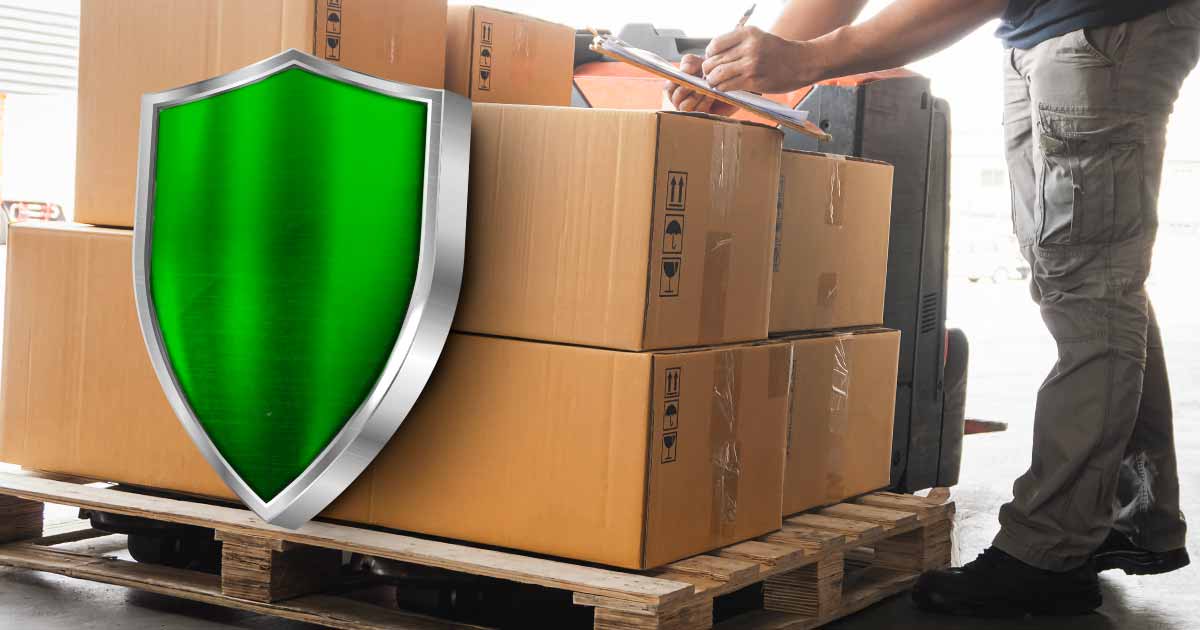
Asuransi pengiriman barang adalah perlindungan finansial yang mengganti nilai paket ketika barang hilang, rusak, atau terlambat selama proses pengiriman, baik untuk pesanan ecommerce domestik maupun pengiriman internasional bernilai tinggi. Asuransi pengiriman barang melindungi berbagai jenis komoditas, mulai dari produk retail ecommerce seperti fashion, kosmetik, perlengkapan rumah tangga, dan elektronik konsumen, sampai dokumen bisnis, suku cadang industri, dan barang volume besar. Banyak polis asuransi pengiriman barang mensyaratkan kemasan yang memadai sebelum klaim dapat disetujui. Kemasan yang memadai mencakup karton berlapis, bubble wrap, dan penguat sudut kotak, atau kayu dan palet untuk alat berat.
Deliveree menyediakan asuransi barang gratis di setiap pemesanan, dengan opsi asuransi berbayar yang menawarkan limit perlindungan lebih tinggi untuk kiriman bernilai besar. Beragam pilihan asuransi logistik Deliveree cocok untuk kiriman ecommerce volume besar maupun pengiriman less-than-container load (LCL) nasional. Melalui aplikasi Deliveree, pengirim dapat memilih jenis kendaraan dan menambah nilai perlindungan sesuai kebutuhan. Pergerakan barang juga dapat dipantau secara real-time selama proses pengiriman. Sistem Deliveree meminimalisir risiko kehilangan barang selama pengiriman. Bukti pergerakan pengemudi secara real-time juga membantu mempercepat proses klarifikasi bila terjadi klaim.
Apa Itu Asuransi Pengiriman Barang?
Asuransi pengiriman barang adalah layanan perlindungan keuangan yang menanggung nilai barang ketika paket hilang, dicuri, atau rusak selama proses pengiriman, baik dalam jaringan domestik maupun internasional. Asuransi pengiriman barang bekerja dengan cara memindahkan risiko kerusakan dan kehilangan dari pengirim ke perusahaan asuransi. Pengirim atau penjual cukup menambahkan cakupan asuransi saat membuat label pengiriman atau saat checkout. Jika paket tidak pernah sampai, hilang jejak, atau tiba dalam kondisi rusak, pengirim dapat mengajukan klaim asuransi pengiriman barang. Klaim diajukan dengan menyertakan bukti nilai barang, bukti pengiriman, dan dokumentasi kerusakan untuk mendapatkan penggantian hingga nilai yang dideklarasikan.
Bagaimana Asuransi Pengiriman Barang Melindungi Barang yang Dikirim?
Asuransi pengiriman barang melindungi barang yang dikirim dengan menanggung berbagai risiko fisik yang terjadi selama transit, selama pengirim memenuhi syarat pengepakan dan ketentuan polis. Risiko fisik dalam pengiriman mencakup empat kondisi utama. Paket dapat hancur akibat penanganan yang salah atau benturan selama transit. Isi paket juga berisiko pecah atau basah karena paparan air. Selain itu, paket berpotensi hilang atau dicuri sebelum sampai ke tujuan. Asuransi pengiriman barang penting bagi pengirim karena setiap paket hilang atau rusak berdampak langsung pada margin bisnis. Tanpa perlindungan, biaya penggantian barang sepenuhnya ditanggung oleh pemilik bisnis dan dapat mengganggu arus kas. Dengan asuransi pengiriman barang, kerugian finansial tersebut dialihkan ke perusahaan asuransi (penanggung), sehingga pemilik bisnis tetap dapat menjaga kualitas layanan pelanggan tanpa menanggung seluruh biaya penggantian secara mandiri.
Berapa Biaya Asuransi Pengiriman Barang?
Biaya asuransi pengiriman barang umumnya dihitung sebagai persentase dari nilai barang yang dikirim. Di Indonesia, kisaran tarifnya biasanya sekitar 0,1% hingga 0,5% dari nilai pertanggungan, tergantung jenis barang, rute, dan tingkat risiko. Untuk kiriman ecommerce domestik, banyak penyedia menetapkan premi di rentang 0,2% hingga 0,35% dari nilai barang. Beberapa penyedia juga menambahkan biaya administrasi tetap sekitar Rp5.000 per pengiriman. Sebagai contoh, paket senilai Rp1.000.000 dapat terlindungi dengan premi sekitar Rp2.000 hingga Rp3.500.
Untuk pengiriman kargo bernilai tinggi atau kategori berisiko seperti barang berbahaya dan barang mudah rusak (perishable), tarif dapat mencapai 0,20% hingga 0,50% dari nilai barang. Sebagai gambaran, pengiriman mesin senilai Rp10 miliar bisa dikenakan premi antara Rp5.000.000 hingga Rp15.000.000.
Apa Itu Asuransi Paket dalam Layanan Pengiriman Parsel?
Asuransi paket dalam layanan pengiriman parsel adalah perlindungan tambahan yang menanggung kerugian ketika satu paket kiriman hilang, dicuri, atau rusak selama proses pengiriman. Perlindungan ini berlaku di luar tanggung jawab standar ekspedisi yang terbatas per kilogram. Asuransi paket bekerja dengan mengaitkan nilai jual paket, termasuk isi dan ongkos kirim, ke dalam limit pertanggungan per resi (nomor bukti pengiriman). Jika paket tidak tiba di alamat tujuan, hilang, atau isi paket hancur meski sudah dikemas sesuai syarat polis, pengirim dapat mengajukan klaim asuransi paket. Penggantian diberikan hingga batas nilai barang yang sudah dideklarasikan saat pengiriman.
Untuk layanan pengiriman parsel, premi asuransi paket dihitung per resi dan umumnya lebih terjangkau dibanding kargo karena cakupannya terbatas pada satu paket per pengiriman. Penggunaan asuransi paket sangat relevan untuk kiriman ecommerce berisi elektronik, gadget, kosmetik, atau fashion bernilai ratusan ribu hingga jutaan rupiah per order. Tanpa asuransi paket, ekspedisi umumnya hanya mengganti kerugian berdasarkan berat paket, misalnya Rp50.000 hingga Rp100.000 per kilogram, jauh di bawah nilai barang aktual yang dikirim.
Apa Itu Perlindungan Pengiriman dalam Sistem Checkout Ecommerce?
Perlindungan pengiriman dalam sistem checkout ecommerce adalah layanan tambahan di halaman checkout yang memberi cakupan terhadap pesanan pelanggan jika terdapat masalah pengiriman. Jika pelanggan memilih opsi perlindungan pengiriman, mereka umumnya membayar biaya tambahan di luar harga produk dan ongkos kirim. Perlindungan pengiriman ini biasanya muncul sebagai opsi kotak centang di halaman checkout. Jika diaktifkan, penyedia perlindungan pengiriman menanggung risiko kiriman selama pengiriman berlangsung. Ketika paket rusak atau hilang, pelanggan dapat mengajukan klaim dan menerima penggantian berupa pengiriman ulang, pengembalian dana, atau kredit toko.
Perlindungan pengiriman dalam checkout ecommerce umumnya disediakan oleh mitra pihak ketiga yang terintegrasi langsung dengan platform toko online. Bagi pemilik toko online, fitur ini menambah rasa aman bagi pelanggan dan membantu mengurangi tekanan finansial ketika terjadi masalah pengiriman. Risiko kerugian paket dialihkan ke penyedia perlindungan pengiriman, bukan ke kurir. Penyedia ini menangani klaim dalam volume tinggi dengan service level agreement (SLA) penyelesaian yang lebih cepat dibanding kompensasi langsung dari masing-masing kurir.
Apa Saja yang Ditanggung oleh Asuransi Pengiriman Barang?
Asuransi pengiriman barang umumnya menanggung kerugian akibat paket hilang, dicuri, atau rusak selama perjalanan, termasuk kehilangan total, kerusakan fisik pada isi paket, serta insiden seperti paket tidak terlacak atau tidak dapat dikonfirmasi lokasinya oleh pihak kurir. Dalam banyak polis, asuransi pengiriman barang juga menanggung tiga risiko tambahan berikut. Pertama, kerusakan akibat air atau cuaca ekstrem pada kemasan dan isi paket. Kedua, pencurian seluruh paket atau sebagian isi paket, dikenal dalam industri asuransi kargo sebagai pilferage, yang umumnya tercantum sebagai risiko terpisah dalam polis pengiriman internasional. Ketiga, kerusakan akibat penumpukan atau penataan muatan yang salah oleh pihak pengangkut. Penanggungan ini berlaku selama pengirim memenuhi syarat pengepakan dan tidak mengirim barang yang termasuk dalam daftar pengecualian seperti senjata, logam mulia, atau barang terlarang lainnya.
Asuransi pengiriman barang umumnya tidak menanggung kerusakan akibat pengepakan yang tidak memadai, pelabelan yang salah, keausan normal, serta kerugian akibat keterlambatan pengiriman atau penurunan nilai pasar. Pengecualian ini dapat diperluas jika risiko tersebut secara eksplisit ditambahkan sebagai perluasan cakupan dalam polis. Pemilik bisnis ecommerce dan pengirim internasional disarankan mencocokkan daftar risiko yang ditanggung dengan profil kiriman mereka, baik barang rapuh, bernilai tinggi, maupun rute laut dan udara berisiko tinggi.
Jenis Cakupan Asuransi Pengiriman Barang Apa Saja yang Ada untuk Pengiriman?
Jenis cakupan asuransi pengiriman barang untuk pengiriman dapat dibagi menurut luas risiko yang dijamin dan menurut pola polis yang digunakan untuk melindungi barang selama transit. Bisnis logistik dan ecommerce umumnya memilih berdasarkan dua dimensi: luas risiko yang dijamin dan pola polis yang digunakan. Lima jenis cakupan utama tersedia untuk kebutuhan pengiriman domestik maupun internasional.
- Cakupan all risk (Institute Cargo Clauses A): cakupan asuransi pengiriman barang yang menjamin hampir semua risiko fisik yang menyebabkan kehilangan atau kerusakan barang selama transit, kecuali risiko yang secara tegas dikecualikan di polis.
- Cakupan named perils (Institute Cargo Clauses B): cakupan asuransi pengiriman barang yang hanya menanggung risiko yang disebutkan secara eksplisit dalam polis. Risiko yang dijamin mencakup kebakaran, ledakan, tenggelam, tabrakan, dan masuknya air laut. Cakupannya lebih sempit dibanding all risk, tetapi preminya biasanya lebih rendah.
- Cakupan basic risks (Institute Cargo Clauses C): cakupan asuransi pengiriman barang yang hanya menjamin risiko dasar seperti kebakaran, ledakan, tabrakan, kandas, dan tenggelam kapal, sehingga cocok untuk kargo bernilai lebih rendah atau pengiriman massal yang ingin ditekan biaya preminya.
- Polis specific transit (single shipment policy): polis asuransi pengiriman barang yang hanya menanggung satu kali perjalanan tertentu dari titik A ke titik B, biasanya dipilih untuk pengiriman proyek besar sesekali atau ketika bisnis belum memiliki volume pengiriman yang rutin.
- Polis open cover atau open policy: polis asuransi pengiriman barang yang secara otomatis menanggung banyak pengiriman dalam periode tertentu dengan limit per kiriman, sehingga cocok untuk perusahaan logistik, distributor, dan pelaku ecommerce dengan frekuensi pengiriman tinggi.
Asuransi pengiriman barang tersedia dalam beberapa lapisan cakupan yang dapat dikombinasikan sesuai nilai barang, profil risiko, dan frekuensi kiriman. Untuk ecommerce, jenis perlindungan yang dipilih juga bergantung pada siapa yang menanggung risiko, apakah penjual, pelanggan, atau platform.
Jenis Asuransi Pengiriman Barang Ecommerce Apa Saja yang Melindungi Pesanan Online?
Jenis asuransi pengiriman barang ecommerce yang melindungi pesanan online dapat dibedakan berdasarkan siapa yang menyediakan perlindungan, di mana perlindungan itu muncul dalam perjalanan pesanan, dan bagaimana klaimnya diproses ketika paket hilang, rusak, atau dicuri. Pola perlindungan utama dalam ecommerce mencakup tiga pendekatan: asuransi bawaan perusahaan pengiriman, proteksi yang dibayar pelanggan di halaman checkout, dan asuransi pihak ketiga yang diintegrasikan oleh penjual atau platform untuk mengelola risiko dalam skala besar.
- Asuransi bawaan perusahaan pengiriman (carrier-provided insurance): perlindungan dasar yang disediakan oleh kurir atau operator logistik berdasarkan limit tanggung jawab per kilogram atau per kiriman. Asuransi bawaan memberikan ganti rugi terbatas ketika paket hilang atau rusak, tetapi sering belum cukup untuk menutup penuh nilai pesanan online bernilai tinggi.
- Asuransi pengiriman yang dibayar pelanggan di checkout (customer-paid shipping protection): perlindungan tambahan yang muncul sebagai opsi di halaman pembayaran, di mana pelanggan membayar biaya kecil per pesanan untuk menutup risiko paket hilang, rusak, atau dicuri. Ketika terjadi insiden, pelanggan bisa menerima refund, pengiriman ulang, atau kredit toko tanpa mengurangi margin penjual.
- Asuransi pengiriman pihak ketiga untuk penjual (third-party shipping insurance): polis yang dibeli langsung oleh penjual ecommerce dari perusahaan asuransi independen atau insurtech. Polis ini menanggung banyak pesanan lintas kurir berdasarkan nilai deklarasi, dengan biaya per pesanan yang umumnya lebih rendah dibanding asuransi bawaan kurir. Cakupannya lebih luas, termasuk pencurian paket di depan pintu (porch piracy) dan pengiriman lintas kurir (multi-carrier), dengan proses klaim digital yang lebih cepat.
- Embedded insurance produk proteksi pesanan di marketplace: layanan proteksi yang disediakan langsung di platform marketplace seperti layanan proteksi produk di Indonesia. Premi dibebankan ke pelanggan atau dibagi dengan penjual, dan klaim dikelola terpusat oleh mitra insurtech sehingga meningkatkan kepercayaan konsumen terhadap kualitas layanan ecommerce.
Memilih kombinasi jenis asuransi pengangkutan yang tepat bergantung pada volume pesanan, nilai rata-rata kiriman, dan platform yang digunakan, faktor yang juga menentukan pilihan perusahaan asuransi pengiriman barang terbaik.
Perusahaan Asuransi Pengiriman Barang Mana yang Menyediakan Cakupan Paket?
Perusahaan asuransi pengiriman barang yang menyediakan cakupan paket di Indonesia didominasi oleh pemain marine cargo dan logistik besar yang terbiasa menangani pengiriman darat, laut, dan udara untuk kebutuhan domestik maupun ekspor-impor. Perusahaan asuransi pengiriman barang yang menyediakan cakupan paket adalah Tokio Marine Indonesia, AXA Indonesia, Chubb, Oona Indonesia, dan Allianz sebagai penanggung asuransi pengiriman ecommerce tertentu.
- Tokio Marine Indonesia: penyedia polis marine cargo dan transit darat dengan skema ICC A, B, dan C untuk pengiriman lokal maupun internasional.
- AXA Indonesia: penyedia perlindungan pengiriman barang melalui jalur darat, laut, dan udara. Cakupannya mencakup pengiriman lokal maupun internasional.
- Chubb (Marine Cargo dan Logistics Insurance): penyedia asuransi pengiriman barang yang menawarkan pertanggungan hingga puluhan juta dolar AS per pengangkutan, mencakup risiko kehilangan, pencurian, kehancuran, dan kerusakan selama transit. Chubb juga menyediakan solusi yang dapat diintegrasikan ke sistem penjualan berbasis web untuk perusahaan logistik dan peritel.
- Oona Indonesia: penyedia produk marine cargo untuk kargo antarpulau dan perjalanan darat, mengacu pada Polis Standar Asuransi Pengangkutan Barang Indonesia (PSAPBI). Produk ini cocok untuk perusahaan yang mengirim barang lintas pulau melalui tongkang atau landing craft tank (LCT) dengan kondisi ICC C.
- Allianz (produk pengiriman ecommerce): penanggung di balik beberapa produk asuransi biaya pengiriman ecommerce melalui Allianz Utama Indonesia, termasuk Return Shipment Protection yang menanggung biaya pengiriman balik.
Bagi pengirim di Indonesia, mengenal perusahaan asuransi di balik cakupan paket membantu menilai seberapa kuat dukungan finansial dan pengalaman klaim ketika terjadi masalah di lapangan.
Perusahaan Asuransi Pengiriman Barang Mana yang Mengkhususkan Diri pada Perlindungan Logistik Ecommerce?
Perusahaan asuransi pengiriman barang yang mengkhususkan diri pada perlindungan logistik ecommerce biasanya berbentuk insurtech dan pemain embedded insurance yang fokus menjual proteksi pesanan secara B2B2C melalui platform marketplace, aplikasi pengiriman on-demand, dan solusi checkout ecommerce. Di Indonesia, perusahaan-perusahaan ini merancang produk seperti proteksi belanja, proteksi pengiriman, dan proteksi pengembalian yang terhubung langsung dengan alur logistik. Struktur premi mengikuti nilai pesanan per transaksi. Pola klaim dirancang untuk menangani volume transaksi online yang tinggi secara efisien.
Perusahaan asuransi pengiriman barang yang mengkhususkan diri pada perlindungan logistik ecommerce adalah Insurtech Igloo, OrderProtection.com, dan Penyedia Embedded Insurance Lokal melalui Platform Keuangan dan Ecommerce.
- Insurtech Igloo: perusahaan insurtech regional full-stack yang menyediakan produk perlindungan transit dan perlindungan belanja ecommerce. Mitra platformnya mencakup Bukalapak, Tokopedia, Shopee, dan Lalamove. Igloo menawarkan solusi klaim otomatis end-to-end untuk barang hilang atau rusak selama pengiriman.
- OrderProtection.com: penyedia shipping protection berbasis software as a service (SaaS) yang menambahkan proteksi pengiriman, garansi, dan manajemen pengembalian barang ke toko online. Platform ini mengelola klaim paket hilang, rusak, atau dicuri melalui satu dashboard yang terintegrasi dengan sistem dukungan pelanggan.
- Penyedia Embedded Insurance Lokal melalui Platform Keuangan dan Ecommerce: perusahaan asuransi dan insurtech yang menanamkan produk perlindungan belanja dan pengiriman langsung di platform ecommerce Indonesia, misalnya produk embedded insurance yang dipasarkan melalui Tokopedia, meliputi proteksi gadget, proteksi elektronik, dan proteksi kerusakan total yang terhubung ke transaksi dan proses pengiriman di marketplace.
Memilih mitra insurtech yang tepat bergantung pada model bisnis, apakah perlindungan dikelola oleh broker, langsung oleh penjual, atau diintegrasikan ke platform, sebuah keputusan yang juga menentukan bagaimana klaim diproses setelah pesanan hilang atau rusak.
Broker Asuransi Pengiriman Barang Mana yang Mengatur Cakupan bagi Bisnis Logistik?
Broker asuransi pengiriman barang berperan sebagai konsultan risiko dan penghubung antara perusahaan logistik dengan beberapa penanggung sekaligus, untuk mendapatkan cakupan yang paling sesuai dengan profil pengiriman. Broker asuransi pengiriman barang menyesuaikan program kargo berdasarkan rute, jenis barang, dan volume pengiriman klien. Untuk operator truk atau freight forwarder, broker membantu merancang limit pertanggungan per pengiriman, klausul tambahan, dan prosedur klaim yang realistis terhadap kondisi lapangan di Indonesia.
Broker asuransi pengiriman barang yang mengatur cakupan bagi bisnis logistik adalah L&G Insurance Broker, Marsh Indonesia, Aon Indonesia, dan Howden Insurance Brokers Indonesia.
- L&G Insurance Broker: broker asuransi yang memposisikan diri sebagai penyedia solusi asuransi pengiriman barang dan marine cargo, bekerja sama dengan penanggung seperti Tokio Marine untuk merancang polis pengiriman lokal dan ekspor-impor bagi pelaku industri, manufaktur, dan logistik di Indonesia.
- Marsh Indonesia: broker asuransi dan penasihat risiko korporasi yang melayani klien berskala besar. Layanannya mencakup commercial broking dan risk advisory, termasuk desain program asuransi marine cargo untuk proyek logistik lintas negara.
- Aon Indonesia: broker asuransi yang menggunakan pendekatan berbasis data untuk manajemen risiko logistik. Aon Indonesia membantu perusahaan merancang program proteksi yang mencakup pengangkutan barang dan rantai pasok (supply chain).
- Howden Insurance Brokers Indonesia: broker yang menyediakan solusi asuransi fleksibel untuk klien di sektor marine dan logistik. Cakupannya mencakup perlindungan kargo, tanggung gugat pengangkut, dan program asuransi yang dapat disesuaikan seiring pertumbuhan armada dan volume pengiriman.
Bagi bisnis logistik dan ecommerce yang mengelola banyak shipment per hari, bekerja dengan broker asuransi sering lebih efektif dibanding menghubungi satu penanggung saja. Broker asuransi pengiriman barang dapat membandingkan penawaran dari berbagai penanggung dan memperkuat posisi tawar klien. Broker juga membantu menegosiasikan klausul polis yang lebih menguntungkan untuk proses klaim di lapangan.
Bagaimana Cara Kerja Asuransi Pengiriman Barang Ecommerce selama Proses Pemenuhan Pesanan Online?
Asuransi pengiriman barang ecommerce bekerja dengan menautkan setiap pesanan yang diasuransikan ke satu polis mikro, aktif sejak pelanggan menyetujui perlindungan di halaman checkout hingga pesanan berstatus terkirim. Jika terjadi kehilangan, kerusakan, atau pencurian dalam rentang waktu tersebut, pemilik polis berhak menerima ganti rugi sesuai nilai pertanggungan yang ditetapkan.
Saat pesanan dibuat, sistem ecommerce mengirim data pesanan, mencakup nilai barang, alamat, metode pengiriman, dan nomor resi, ke penyedia asuransi. Polis aktif ketika gudang memproses dan menyerahkan paket ke kurir, lalu tetap melindungi barang selama transit dan last-mile delivery. Jika tracking berhenti, paket tidak diterima, atau produk tiba dalam kondisi rusak, pelanggan atau penjual dapat mengajukan klaim digital. Setelah diverifikasi, penyedia perlindungan membayar refund, pengiriman ulang, atau kredit toko tanpa mengurangi arus kas bisnis ecommerce.
Bagaimana Penjual Menambahkan Perlindungan Pengiriman pada Pesanan Ecommerce?
Penjual menambahkan perlindungan pengiriman pada pesanan ecommerce dengan mengaktifkan opsi asuransi di sistem toko atau marketplace, lalu menawarkan proteksi tersebut sebagai add-on berbayar maupun perlindungan bawaan saat order diproses. Cara penjual menambahkan perlindungan pengiriman pada pesanan ecommerce adalah mengaktifkan asuransi di dashboard marketplace, mengintegrasikan aplikasi shipping protection di checkout, menambahkan biaya asuransi pada ongkos kirim, dan mengatur polis logistik internal bersama penyedia logistik.
- Mengaktifkan asuransi di dashboard marketplace: dilakukan dengan masuk ke akun seller di platform seperti Tokopedia atau Shopee, membuka menu pengaturan pengiriman, dan mengaktifkan opsi asuransi pengiriman agar setiap pesanan dapat dikirim dengan perlindungan aktif saat pembeli mencentang kolom asuransi di checkout.
- Mengintegrasikan aplikasi shipping protection di checkout: dilakukan dengan memasang aplikasi pihak ketiga seperti Route, ShipAid, atau plugin sejenis, lalu menampilkan opsi shipping protection di keranjang atau checkout yang dapat dipilih pelanggan dengan biaya kecil, biasanya sekitar 1%-3% dari nilai pesanan, tergantung penyedia dan kategori produk.
- Menambahkan biaya asuransi pada ongkos kirim: dilakukan dengan memasukkan komponen tambahan di pengaturan ongkir sehingga pesanan di atas nilai tertentu otomatis dikenai biaya asuransi, atau memberi opsi asuransi sebagai biaya tambahan yang dapat dipilih pelanggan.
- Mengatur polis logistik internal bersama penyedia logistik: dilakukan oleh penjual atau brand ecommerce yang sudah lebih besar dengan bekerja sama dengan perusahaan logistik dan broker asuransi untuk membeli polis transit atau marine cargo. Batch pengiriman dari gudang ditandai sebagai diasuransikan dan biayanya dialokasikan sebagai bagian dari biaya fulfillment, bukan per order di checkout.
Pilihan cara menambahkan perlindungan pengiriman bergantung pada skala dan model bisnis penjual. Toko kecil di marketplace umumnya cukup mengaktifkan asuransi bawaan di checkout, sedangkan brand dengan layanan logistik khusus cenderung menggabungkan polis internal berbasis kendaraan dengan shipping protection di checkout untuk menjaga margin pada volume pengiriman yang lebih besar.
Bagaimana Cara Kerja Klaim Asuransi Pengiriman Barang setelah Paket Hilang atau Rusak?
Klaim asuransi pengiriman barang setelah paket hilang atau rusak bekerja dengan pola pengirim melapor dalam batas waktu tertentu, mengumpulkan bukti, mengisi formulir klaim, lalu menunggu verifikasi sebelum menerima pembayaran ganti rugi. Proses klaim asuransi pengiriman barang umumnya dibatasi rentang waktu ketat, antara 24 hingga 72 jam setelah paket diterima atau dinyatakan hilang, sehingga seller perlu mendokumentasikan kerusakan dan menyimpan seluruh dokumen pengiriman sejak awal.
- Melapor insiden ke ekspedisi atau penanggung: langkah pertama yang dilakukan pengirim atau seller dengan menghubungi jasa kirim, broker, atau perusahaan asuransi ketika paket hilang, tidak terlacak, atau tiba dalam kondisi rusak, biasanya lewat call center, email, atau formulir online, sambil menyertakan nomor resi dan deskripsi singkat masalah.
- Mengumpulkan dan mengirim dokumen klaim: pemilik barang menyiapkan dokumen klaim asuransi pengiriman barang yang terdiri dari invoice atau commercial invoice, packing list, bukti pembayaran, polis atau sertifikat asuransi, bukti asuransi dari ekspedisi, foto atau video kerusakan, dan bill of lading untuk pengiriman kargo. Seluruh dokumen dikirimkan ke perusahaan asuransi sebagai dasar perhitungan kerugian.
- Menunggu investigasi dan surveyor: perusahaan asuransi memeriksa apakah kerugian memenuhi syarat polis dan memverifikasi kronologi berdasarkan data tracking. Jika diperlukan, surveyor independen dikirim untuk menilai tingkat kerusakan fisik di gudang atau lokasi penerima. Berdasarkan hasil investigasi, klaim dapat disetujui penuh, disetujui sebagian, atau ditolak.
- Menerima pembayaran klaim atau keputusan akhir: setelah klaim disetujui, perusahaan asuransi mengirim ganti rugi dalam bentuk transfer uang hingga maksimal nilai pertanggungan, dikurangi deductible jika ada. Jika klaim ditolak, perusahaan asuransi menerbitkan surat penolakan beserta penjelasan, misalnya karena pengepakan tidak memadai atau barang termasuk kategori yang dikecualikan dalam polis.
Bagi bisnis ecommerce yang rutin mengirim ratusan paket per bulan, memahami detail cara kerja klaim ini krusial agar tim operasional bisa bergerak cepat saat terjadi insiden, sekaligus menjaga agar kerugian logistik tetap ditanggung oleh asuransi sesuai hak yang tertulis di polis, bukan membebani margin penjualan.
Faktor Apa Saja yang Menentukan Biaya Asuransi Pengiriman Barang untuk Paket?
Faktor yang menentukan biaya asuransi pengiriman barang untuk paket adalah nilai barang yang diasuransikan, jenis barang, rute dan jarak pengiriman, jenis cakupan yang dipilih, serta riwayat klaim dan faktor risiko pengirim. Secara praktis di Indonesia, premi dihitung dengan mengalikan tarif premi dengan nilai barang, kemudian ditambahkan biaya administrasi. Tarif premi umumnya berada di kisaran 0,2%-0,35% dari nilai barang untuk pengiriman reguler, dan naik untuk barang berisiko tinggi atau rute yang lebih berbahaya. Barang bernilai tinggi seperti elektronik, perhiasan, dan barang mudah rusak dikenakan premi asuransi yang lebih tinggi dibanding tekstil atau barang tahan banting. Hal ini karena potensi kerugian finansial jauh lebih besar jika barang tersebut hilang atau rusak selama pengiriman.
Rute dan jarak pengiriman mempengaruhi biaya asuransi pengiriman barang karena pengiriman jarak jauh, antarpulau, atau lintas negara membawa risiko tambahan, termasuk cuaca ekstrem, kemacetan di pelabuhan, dan risiko keamanan. Tarif premi untuk rute-rute tersebut umumnya lebih tinggi dibanding pengiriman dalam kota yang lebih singkat dan stabil. Jenis cakupan yang dipilih, misalnya all-risk dibanding jaminan dasar atau total loss only, otomatis menaikkan premi karena semakin banyak jenis risiko yang ditanggung asuransi, semakin besar pula potensi pembayaran klaim yang harus disiapkan penanggung.
Faktor lain yang memengaruhi biaya asuransi pengiriman barang mencakup volume dan berat paket, kualitas pengemasan, dan riwayat klaim pengirim. Pengirim yang sering mengajukan klaim atau mengirim melalui rute rawan bencana dan pencurian umumnya dikenakan premi lebih tinggi karena dikategorikan sebagai pengirim berisiko tinggi.
Berapa Rentang Harga Tipikal untuk Cakupan Asuransi Pengiriman Barang Ecommerce?
Rentang harga tipikal untuk cakupan asuransi pengiriman barang ecommerce di Indonesia berada di kisaran 0,2% sampai 0,5% dari nilai barang per pesanan, tergantung kebijakan ekspedisi, platform, dan jenis cakupan yang dipilih. Sebagai contoh, skema asuransi pengiriman di Shopee Indonesia mencatat biaya sekitar 0,5% dari harga jual akhir, angka yang dapat berbeda tergantung jenis produk dan kebijakan seller. Dengan angka ini, paket ecommerce senilai Rp1.000.000 umumnya dapat dilindungi dengan biaya sekitar Rp2.000 hingga Rp5.000 per order, jauh lebih kecil dibanding kerugian penuh senilai Rp1.000.000 yang harus ditanggung sendiri jika paket hilang atau rusak tanpa perlindungan.
Selain persentase dari nilai barang, beberapa layanan menerapkan biaya tetap per resi untuk rentang pertanggungan tertentu, seperti contoh premi Rp1.500 per resi dengan limit pertanggungan hingga Rp10.000.000 pada layanan tertentu, atau proteksi otomatis hingga Rp1.000.000 tanpa biaya tambahan.
Bagaimana Perbedaan Asuransi Perusahaan Pengiriman dengan Polis Asuransi Pengiriman Barang?
Asuransi perusahaan pengiriman dan polis asuransi pengiriman barang sama-sama melindungi kiriman, tetapi cara kerja, batas ganti rugi, dan ruang lingkup risikonya berbeda cukup jauh. Asuransi perusahaan pengiriman umumnya berupa tanggung jawab kurir dengan limit ganti rugi standar, misalnya maksimal Rp1.000.000 per kiriman tanpa asuransi tambahan. Polis asuransi pengiriman barang berdiri terpisah dan mengikuti nilai barang yang dideklarasikan, sehingga dapat menutup kerugian hingga puluhan juta rupiah atau lebih per kiriman.
Perbedaan utama antara asuransi perusahaan pengiriman dengan polis asuransi pengiriman barang adalah dasar perlindungan, basis perhitungan ganti rugi, ruang lingkup risiko, syarat pembuktian, batas ganti rugi, dan profil pengguna yang cocok.
| Dimensi | Asuransi perusahaan pengiriman (tanggung jawab kurir) | Polis asuransi pengiriman barang (cargo/shipping insurance) |
| Dasar perlindungan | Perlindungan bawaan dari perusahaan pengiriman berdasarkan syarat dan ketentuan layanan. | Polis terpisah yang disusun antara pemilik barang dan perusahaan asuransi atau melalui broker. |
| Basis perhitungan ganti rugi | Umumnya berbasis berat atau kelipatan ongkos kirim, misalnya hingga 10 kali ongkir dengan batas sekitar Rp1.000.000 hingga Rp20.000.000 per kiriman tanpa asuransi tambahan. | Berbasis nilai barang yang dideklarasikan melalui invoice, sehingga dapat menutup hingga 100% nilai barang sesuai limit pertanggungan polis. |
| Ruang lingkup risiko | Terbatas, sering mengecualikan banyak kejadian seperti force majeure, sifat alami barang, dan sebagian kerusakan kosmetik. | Lebih luas, terutama untuk polis all-risk, yang menanggung sebagian besar kerusakan dan kehilangan fisik kecuali risiko yang jelas dikecualikan. |
| Syarat pembuktian | Pengirim harus membuktikan kelalaian perusahaan pengiriman agar klaim diterima. | Pengirim cukup membuktikan bahwa kerusakan atau kehilangan terjadi dalam masa pertanggungan. Fokusnya adalah bukti kerugian, bukan kelalaian perusahaan pengiriman (carrier). |
| Contoh batas ganti rugi | Beberapa ekspedisi hanya mengganti maksimal sekitar Rp1.000.000 jika tidak menggunakan asuransi, meskipun nilai barang jauh lebih tinggi. | Polis cargo dapat dirancang menutup kerugian hingga puluhan juta atau miliaran rupiah per shipment tergantung kesepakatan limit. |
| Cocok untuk siapa | Pengirim paket bernilai rendah sampai menengah yang tidak keberatan jika ganti rugi tidak menutup seluruh nilai barang. | Ecommerce dan bisnis logistik yang mengirim barang bernilai tinggi atau volume besar, yang ingin mengunci penggantian penuh ketika terjadi kehilangan atau kerusakan. |
Perbedaan asuransi pengiriman dengan polis asuransi pengiriman barang penting karena banyak pelaku ecommerce dan bisnis logistik di Indonesia masih mengira limit ganti rugi perusahaan pengiriman setara dengan asuransi penuh. Untuk barang bernilai jutaan rupiah, batas kompensasi standar kurir sering jauh di bawah nilai aktual barang yang dikirim.
Keunggulan Apa yang Diberikan Asuransi Pengiriman Barang bagi Bisnis Ecommerce?
Keunggulan asuransi pengiriman barang bagi bisnis ecommerce yang paling penting adalah melindungi arus kas dari kerugian paket hilang atau rusak, sambil meningkatkan rasa aman pelanggan saat belanja dan menerima pesanan. Kombinasi proteksi finansial dan jaminan pengiriman ini berdampak langsung pada tiga area: pendapatan terjaga karena klaim menggantikan kerugian, rating toko meningkat karena klaim ditangani cepat, dan repeat order naik karena pelanggan merasa aman membeli kembali.
Panduan pengiriman ecommerce menunjukkan beberapa keunggulan utama asuransi pengiriman barang bagi bisnis tersebut, yaitu perlindungan finansial, peningkatan kepercayaan dan kepuasan pelanggan, perlindungan margin pada volume pengiriman tinggi, dan diferensiasi layanan dibanding pesaing yang tidak menawarkan proteksi jelas.
- Perlindungan finansial: kemampuan asuransi pengiriman barang untuk mengganti nilai barang dan ongkos kirim ketika paket hilang, rusak, atau dicuri, sehingga kerugian tidak langsung menggerus laba setiap kali ada masalah di pengiriman. Asuransi membuat biaya insiden logistik berpindah dari laporan laba rugi ke premi yang terukur, yang jauh lebih mudah dikontrol dalam perencanaan keuangan.
- Peningkatan kepercayaan dan kepuasan pelanggan: efek langsung ketika pembeli tahu pesanan mereka terlindungi, sehingga pembeli merasa lebih aman menekan tombol beli dan lebih menerima jika terjadi kendala karena ada solusi penggantian yang jelas. Pengalaman platform ecommerce global menunjukkan bahwa tampilan opsi perlindungan pengiriman di checkout meningkatkan keyakinan konsumen untuk menyelesaikan pembelian, dan penanganan klaim yang cepat membantu menjaga review positif serta loyalitas pelanggan.
- Perlindungan margin pada volume pengiriman tinggi: manfaat ketika bisnis mengirim banyak paket per hari, di mana secara statistik selalu ada sebagian kecil paket yang bermasalah, dan tanpa asuransi semua biaya penggantian dan kirim ulang akan menumpuk di sisi bisnis. Dengan asuransi pengiriman barang, kerugian per unit ditutupi oleh premi asuransi, sehingga kerusakan dan kehilangan tidak lagi mengganggu margin keseluruhan meskipun skala pengiriman terus bertumbuh.
- Diferensiasi layanan terhadap pesaing: keuntungan ketika brand bisa menyatakan bahwa setiap pesanan dikirim dengan perlindungan asuransi yang jelas, sementara kompetitor mungkin hanya mengandalkan tanggung jawab terbatas ekspedisi. Perlindungan yang transparan dan mudah diklaim menjadi nilai tambah dalam komunikasi merek, terutama untuk kategori bernilai tinggi seperti elektronik, fashion premium, dan produk impor yang sensitif terhadap masalah pengiriman.
Keunggulan-keunggulan yang diberikan asuransi pengiriman barang bagi bisnis ecommerce membuat asuransi pengiriman bukan sekadar biaya tambahan, tetapi alat manajemen risiko dan pemasaran yang saling menguatkan, bisnis bisa menjaga profit lebih stabil sekaligus mengirim sinyal serius soal tanggung jawab atas pengalaman pengiriman ke pelanggan.
Keunggulan Apa yang Diberikan Asuransi Paket bagi Pengiriman Bernilai Tinggi?
Keunggulan utama asuransi paket bagi pengiriman bernilai tinggi adalah menjaga nilai finansial barang ketika terjadi kehilangan atau kerusakan, sekaligus mengurangi kecemasan bisnis dan pelanggan saat mengirim barang mahal seperti elektronik, perhiasan, atau karya seni. Untuk ecommerce dan pengirim B2B di Indonesia, satu paket bernilai puluhan juta rupiah yang hilang tanpa perlindungan dapat menghapus margin bisnis selama beberapa minggu. Itulah mengapa asuransi paket khusus untuk pengiriman bernilai tinggi perlu ditambahkan sebagai bagian dari strategi logistik.
- Perlindungan penuh terhadap nilai barang: kemampuan asuransi paket untuk menyamai atau mendekati 100% nilai kiriman yang dideklarasikan, bukan hanya mengganti berdasarkan berat atau batas standar perusahaan pengiriman. Untuk barang seperti jam tangan mewah, laptop flagship, atau peralatan medis, perlindungan penuh ini memastikan kerugian besar tidak harus ditanggung langsung oleh pemilik bisnis ketika sesuatu terjadi di perjalanan.
- Cakupan yang disesuaikan dengan karakter barang: keunggulan ketika polis asuransi paket dirancang khusus untuk kategori barang tertentu, misalnya perhiasan, elektronik, karya seni, atau dokumen penting, dengan mempertimbangkan risiko spesifik seperti pencurian terarah, penanganan rapuh, atau kebutuhan verifikasi penerima.
- Pengurangan risiko finansial ekstrem: manfaat ketika asuransi paket menahan dampak kejadian langka tetapi mahal, seperti satu kiriman bernilai tinggi yang hilang atau hancur total. Dengan membayar premi yang relatif kecil dibanding nilai barang, bisnis mengalihkan risiko kejadian ekstrem ke perusahaan asuransi pengiriman barang. Neraca keuangan bisnis pun tetap stabil meskipun insiden logistik sesekali tidak dapat dihindari.
- Peningkatan kepercayaan dan citra profesional: keuntungan ketika penjual dapat menyatakan bahwa setiap kiriman bernilai tinggi dikirim dengan asuransi paket khusus. Bagi pelanggan yang membeli barang mahal, informasi bahwa pengiriman diasuransikan penuh sering menjadi faktor penentu untuk menyelesaikan checkout, sekaligus mengurangi risiko konflik saat terjadi masalah karena jalur penggantian sudah jelas sejak awal.
Rangkaian keunggulan yang diberikan asuransi paket bagi pengiriman bernilai tinggi menjadikan asuransi pengiriman barang bukan sekadar biaya tambahan, tetapi komponen inti strategi risk management dan customer experience untuk bisnis ecommerce yang ingin tumbuh stabil di tengah risiko logistik yang tinggi di Indonesia maupun lintas negara.







 Chat
Chat